10 Eco-Friendly Design Trends
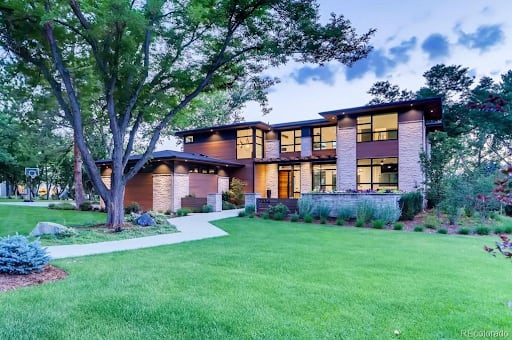
A house for sale in Denver at 528 S. Franklin Street
With a heightened focus on environmental impact, modern design trends are focused—more than ever—on eco-friendly methods and materials. If you’re looking to refresh your home, consider these sustainable design trends to show the planet some love while adding value to your home.
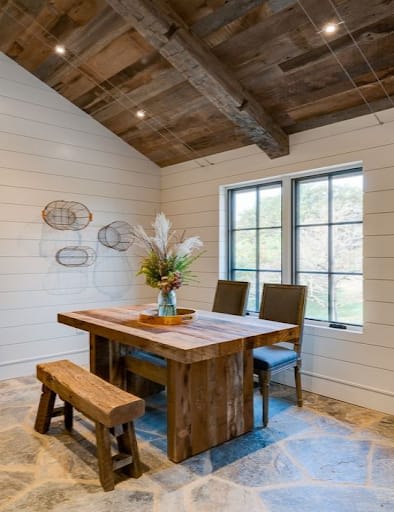
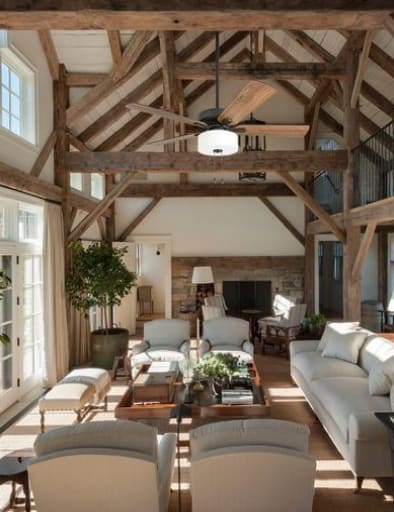
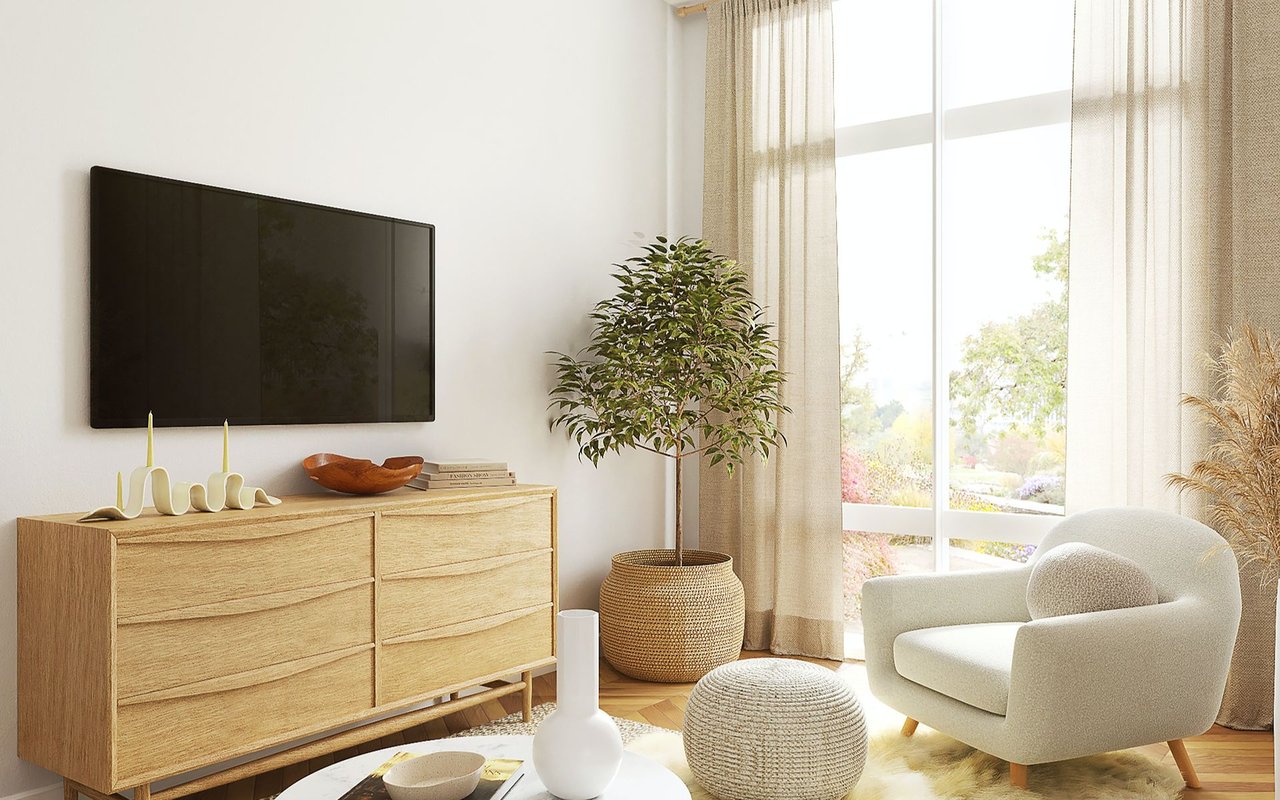
Natural materials have always been a chic choice in the world of interior design. As homeowners become more conscious of the potentially negative impact their home spaces can have on personal health and the environment, buyers are seeking out cleaner, longer-lasting materials for design and structure. Not only do these natural pieces increase functionality, but they also add a unique warmth and texture to your home.
As you renovate your home, consider utilizing eco-conscious materials that are free of plastic and other polymers, toxins, linoleum, and synthetic compounds. Natural materials, such as bamboo, are ideal for furniture, flooring, and fabrics. Although similar to wood, bamboo grows nearly ten times faster than most hardwoods and requires fewer pesticides and fertilizers.
For an effortlessly natural look, consider adding wicker, rattan, and cork furniture. Other natural materials to consider include recycled metal, reclaimed wood, recycled plastic, and Bio-Glass.
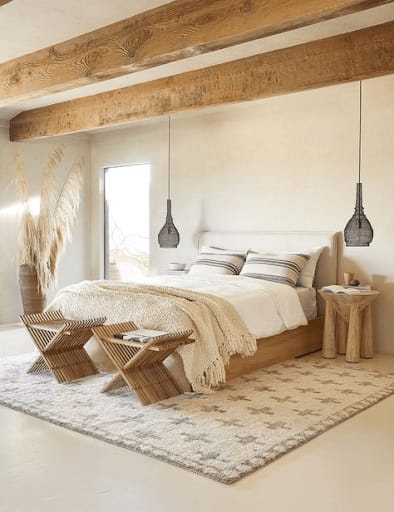
A minimalist approach to home design incorporates clean and simple pieces, calming tones, and the use of your space as a design element rather than a blank canvas. This style invokes the concept of ‘less is more.’
One method to simplify a space is to choose a primary focal point, such as a fireplace, large piece of artwork, or staircase, and design the surrounding room to match. As more people have adopted the mindset of decreased consumption and investing in specific, meaningful pieces, minimalism has become a popular design style of choice among luxury buyers.
This aesthetic pairs effortlessly with natural materials, such as reclaimed wood, woven furniture, and earthy tones.
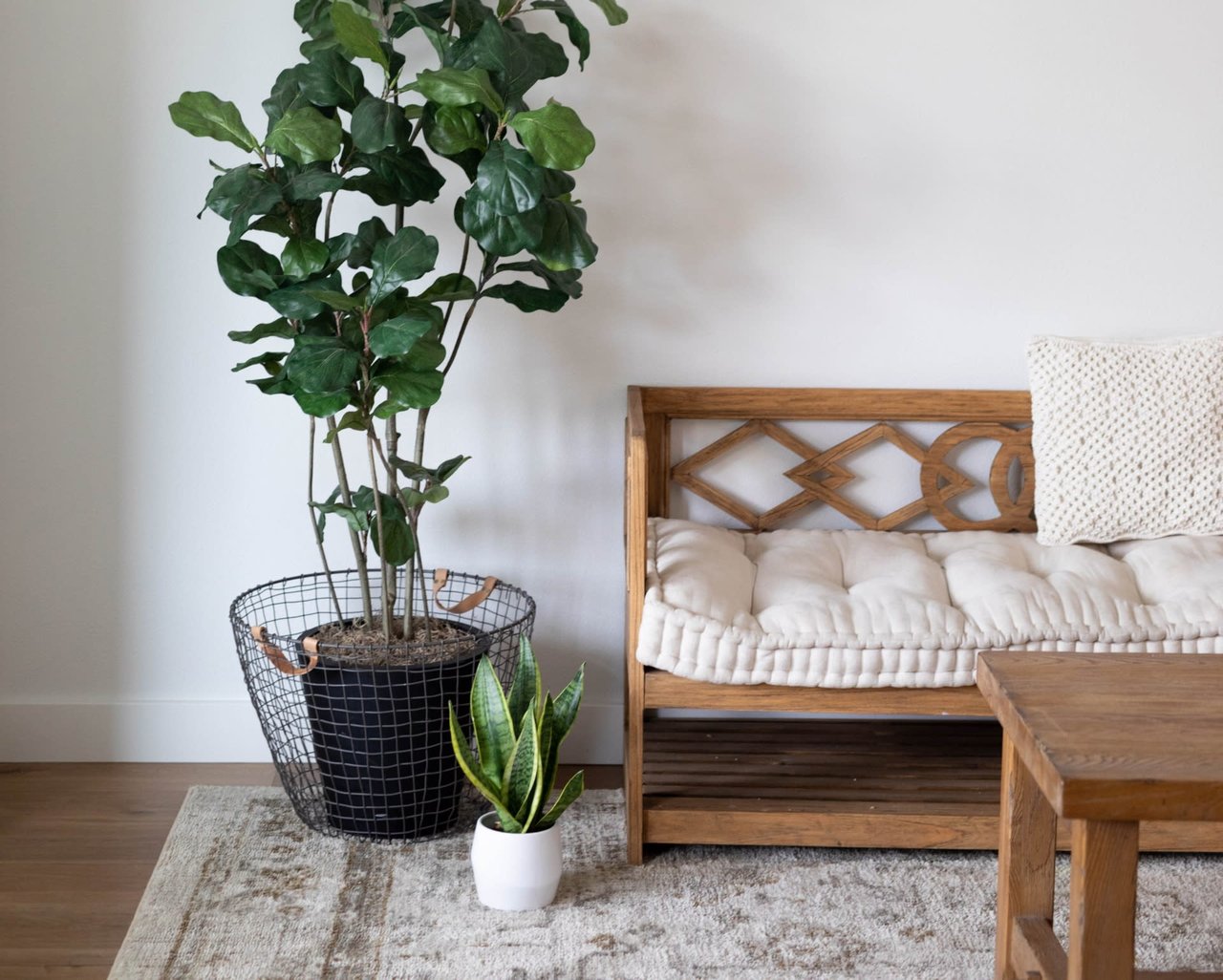
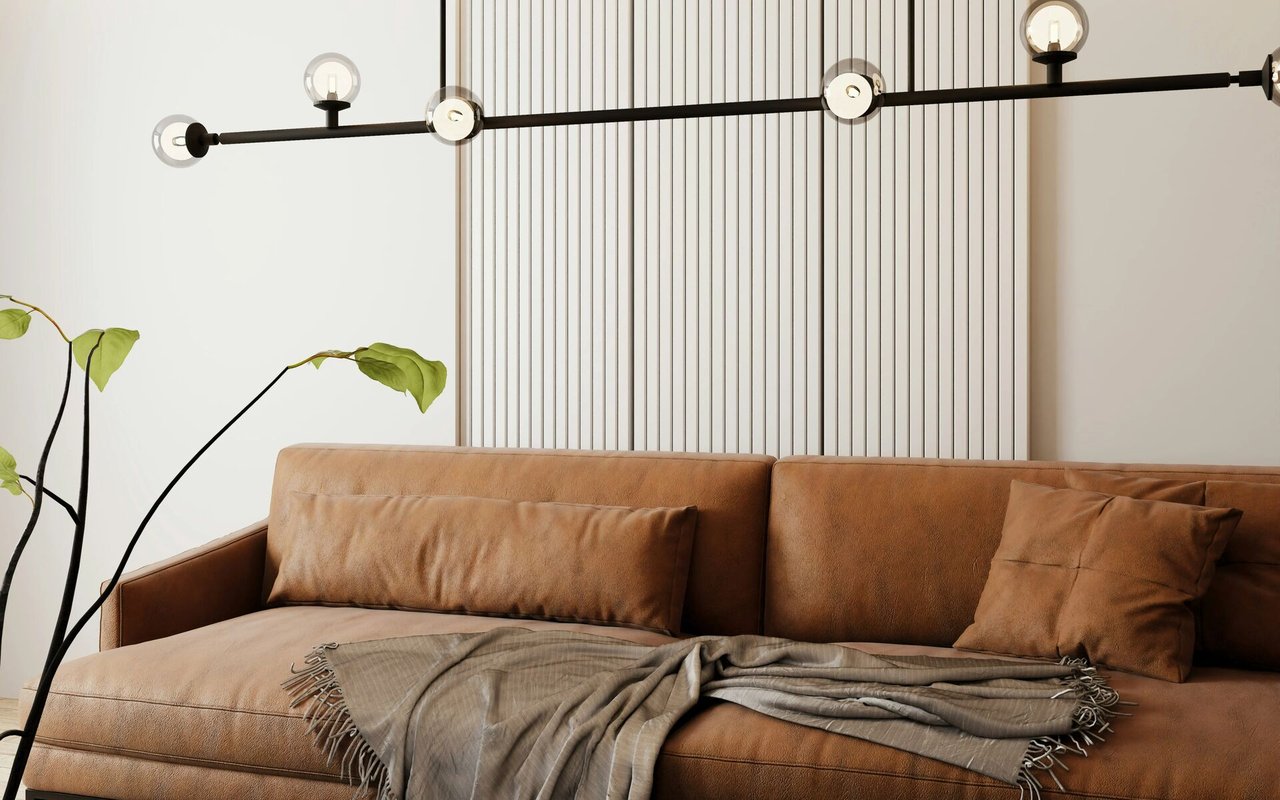
Image courtesy of Overstock.com
The use of LED and other eco-friendly lighting is a simple yet effective adjustment that can be easily employed in any home. Switching to energy-saving LED bulbs is both environmentally friendly and cost-efficient. LED lights last 25-times longer than traditional light bulbs and use 75% less energy. This switch will save you money and help the planet in the process.
Utilizing natural light through windows and skylights will further reduce your environmental impact, as well as decrease your home’s electric bill. Plus, more windows make for ample natural light for houseplants.
Plant lovers will appreciate phyto lamps, a lamp that simulates sunlight, as a nurturing light source. Today, phyto lamps can be found in designs complementary to a space’s surrounding decor and style.
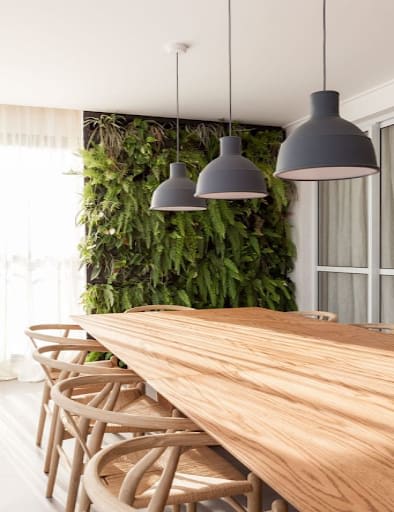
Breathe new life into a space and bring the outdoors in with a wide variety of plants. Whether you plan to add just a touch of greenery or maximize your space with an abundance of foliage, find the right style to suit your home and lifestyle.
If you don’t have a green thumb, a simple potted plant, such as a succulent or mini cactus, can easily brighten a dark corner or a simple side table and require very little maintenance. For more adventurous plant owners, the opportunities to incorporate greenery into design elements are endless.
Vertical gardening has become one of the most popular eco-friendly design ideas for bare walls or corners in need of vibrancy and color. Also known as “Green walls,” vertical gardens are often incorporated into modern interiors and can feature a variety of different plant types. Moss compositions are another increasingly popular design choice. They fare well in poorly-lit areas and naturally control the humidity within a space.
If you need a zero-maintenance option, add dried plants, such as cotton and meadow grasses, to decorative vases for a neutral, earth-tone element.
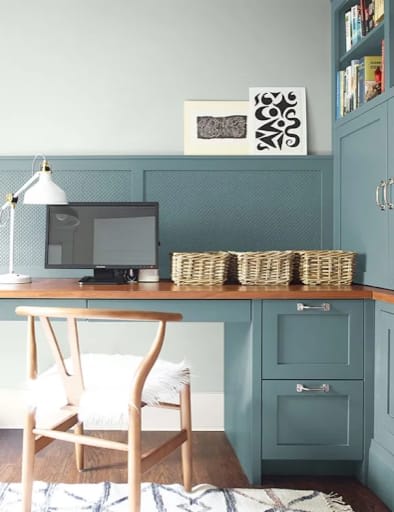
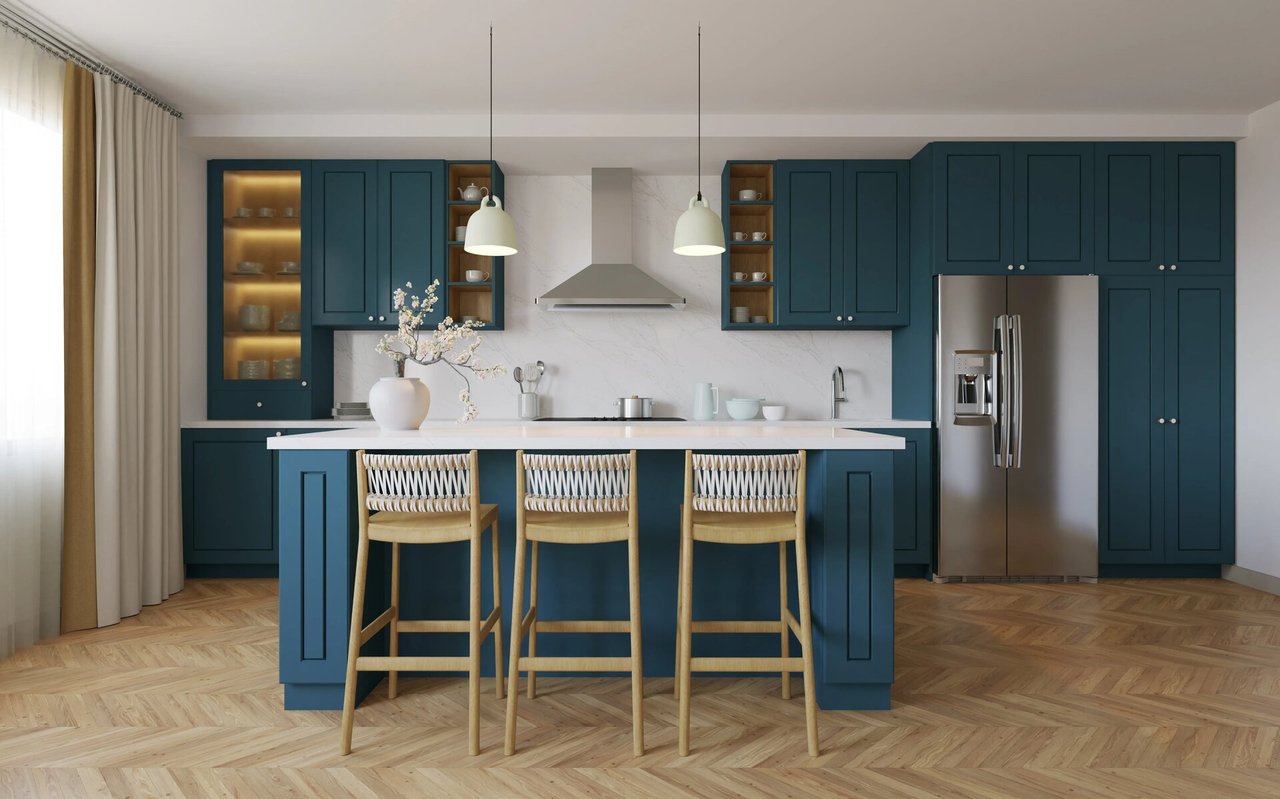
The hottest paint colors of 2021 include bold yet muted shades, such as turquoise, teal, mustard, and coral. Adding a pop of color through paint is a great way to spruce up a minimalist environment without adding clutter. You can also accentuate your wall color with a similar-hued pillow or another simple decorative element amidst neutral furniture choices.
If you’re searching for a more classic look, neutral tones like beige, ivory, gray, and white will always feel peaceful and effortless. Cool tones also pair well with a spectrum of design styles and furniture. A neutral color palette paired with an eco-friendly design exudes a soothing ambiance and draws upon the peace and solitude found in nature.
Go for non-toxic and environmentally-friendly formulas to protect yourself and your ecosystem. Paint labeled as “low odor” or VOC (volatile organic compounds) is free from harsh chemicals found in regular paint, which can be transferred into the air as long as the paint is on your walls.
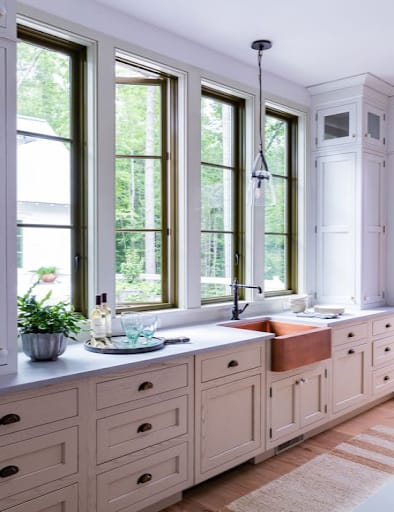
Natural light via windows and skylights is one of the first things buyers look for in a home. Big windows allow for airflow and fresh sunlight, and natural light is one of the best ways to open up a space and make it feel large and airy.
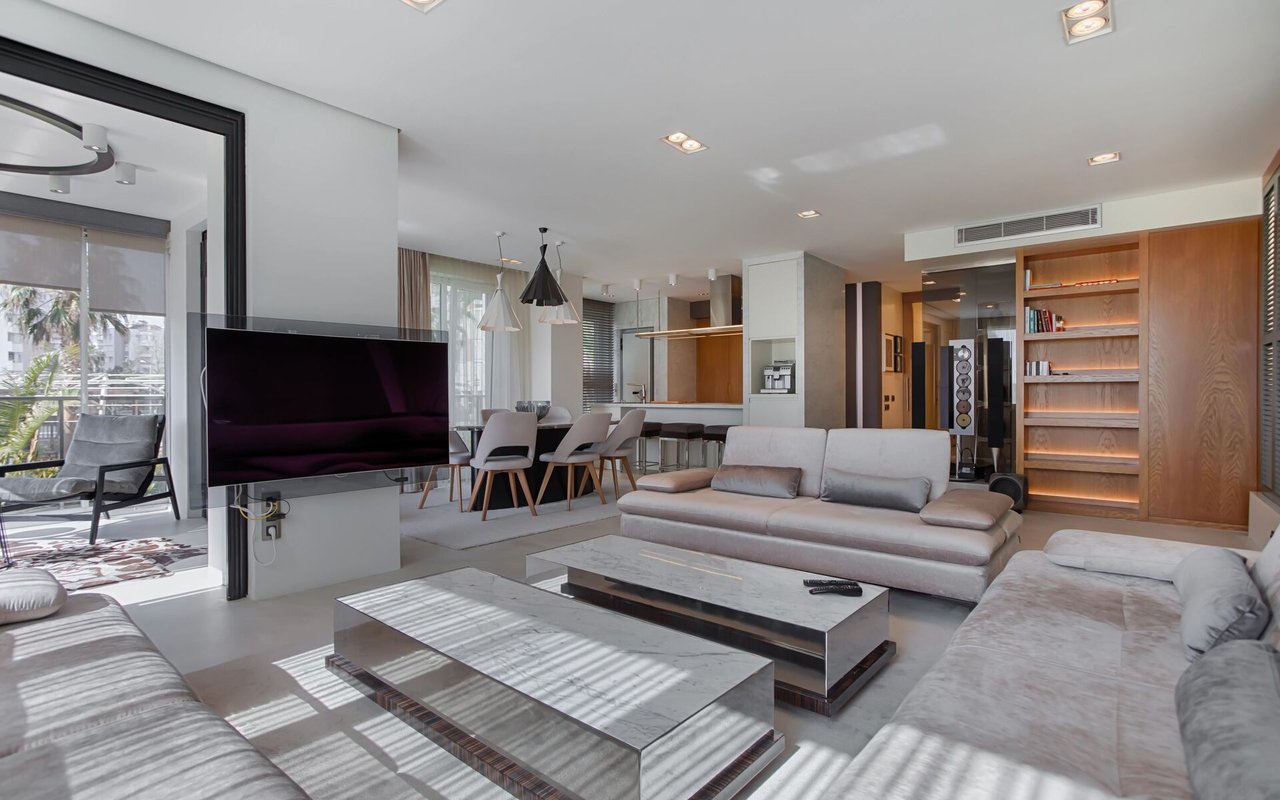
Large windows, an open concept layout, and light sliding partitions are just a few design choices that will maximize sunlight entry into a home. You should also evaluate if your countertops, tables, and floors are brightening or darkening your space. Wooden, ceramic, and stone floors with a polished finish and glossy tables and countertops better reflect light, brightening your home exponentially. Bi-folding doors dramatically increase the views from your home, as well as the intake of sunlight and airflow.
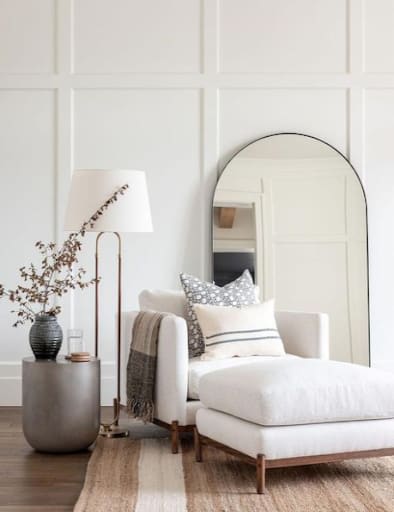
Eco-design spaces are free of bulky and overly bright elements. They strive for a peaceful balance of lines, shapes, and colors to invoke a simple and calm atmosphere.
Go for elements that replicate the simple shapes and lines found in nature. Oval and circular-shaped artwork and furniture provide uncomplicated rounded edges. Avoid any harsh angles and visually intricate shapes and designs. Clean lines and soft shapes are key in eco-design.
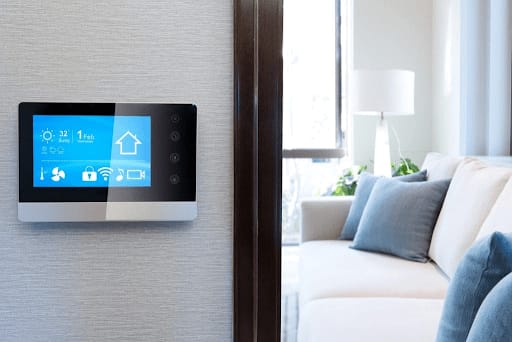
Today’s market for energy-saving technology is booming, and this is because these technologies are central to modern eco-friendly design. Improved HVAC and water filtration systems aim to minimize heat loss while saving energy, and “smart” home technology offers convenient and entertaining features, such as hands-free music, security cameras, and other systems controlled from your smartphone.
When it comes to protecting the environment, smart home technology can be utilized to control energy consumption via a smart thermostat or to set schedules for light bulbs that correspond with your sleep routine. Smart blinds can be set to automatically close when you’re away to keep your home cool.
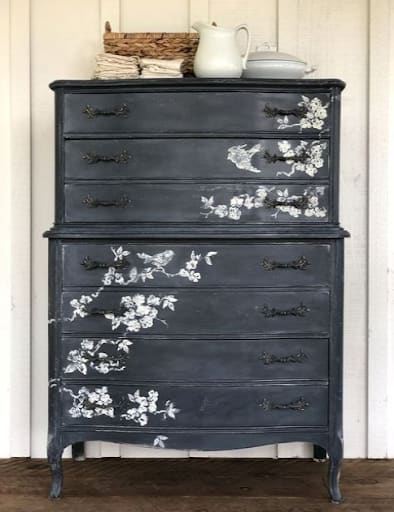
Before purging old decor or hand-me-down furniture, consider recycling well-loved pieces with a DIY makeover or repurposing for an updated use. Often, antique pieces can be transformed with a coat of paint and updated hardware.
Add a modern twist to old pieces with a design stencil and a coat of paint. Chair cushions and pillows can also be revamped with fresh fabric covers or upholstery. The more unique the design element, the more personalized and rare a piece becomes.
Think outside the box to repurpose old items for an entirely new use. Try an old ladder to hang towels or blankets, an antique door as a headboard, or old travel trunks as bedside tables. If you have no use for an old item, consider donating it to a friend or local charity or selling it at a neighborhood yard sale or antique shop. This gives your piece a second life and reduces waste.
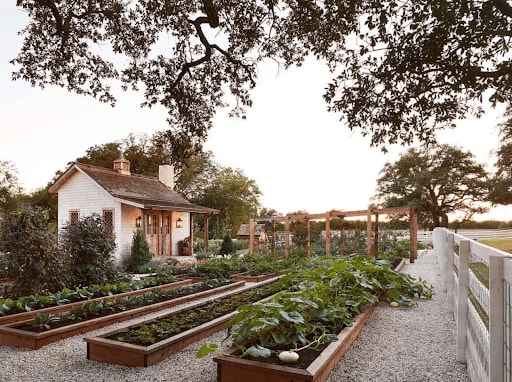
A 2020 study found that 26% of adult participants had started gardening within the last year, many of whom are now opting for produce gardens rather than traditional grass lawns.
Backyard gardens offer a huge array of benefits, from access to healthy homegrown produce to an active and eco-centric outdoor hobby. If you’re interested in starting your own produce garden but have limited space, consider trying hanging planters, raised beds, or “divided” gardens. Planting tables and urban gardening boxes are ideal for city settings and balconies.
If you’re hoping to buy or sell an eco-home or to incorporate some eco-friendly designs into your existing home, contact Innov8 Properties today. The Innov8 team can help you discover what eco-friendly designs are popular with buyers and sellers in the Denver area, as well as what’s happening in luxury real estate throughout Colorado. From stunning Littleton properties to Greenwood Village homes with character, the Innov8 team can help you find a piece of Rocky Mountain real estate that’s perfect for you.
As 2022 enters the final few months, you may be wondering about making your move now to sell a home.
Getting a quote early helps you understand what owning that particular home will cost. It also gives you time to ask.
If you’ve ever been the first person awake in someone else’s house, you’ve probably wondered whether to start the coffee.
When you’re making a list of what to pack, the video doorbell probably isn’t the first thing that comes to mind.

The big day is almost here. You’ve already toured the home, worked through the inspection, and signed enough paperwork.
A renovated kitchen, finished basement, new roof, or upgraded heating system can add a lot to your home’s story.
Whether you’re preparing to sell a Greenwood Village home or searching for the one that finally checks every box, the first step is a conversation. We’ll listen to your goals and timeline, walk you through what to expect, and build a plan around you. From there, Erin and Lance stay hands-on through pricing, preparation, showings, and negotiation, backed by a transaction coordinator who keeps every deadline in view. The consultation is informational, confidential, and pressure-free, because the right fit matters more to us than a fast yes.

(720) 295-6065
[email protected]
ADDRESS
GREENWOOD VILLAGE, CO 80111