
The Renovation Paperwork to Find before You List
A renovated kitchen, finished basement, new roof, or upgraded heating system can add a lot to your home’s story. When it’s time to sell, however, buyers may want to know more than what they can see. They may also ask when the work was completed, who completed it, and whether permits, warranties, or service records are available.
That makes your renovation paperwork an important part of preparing your home for the market. If you’re considering selling this fall or preparing for next spring, now’s a good time to gather everything connected to your improvements. You’ll have time to locate missing documents, contact contractors, and request copies of permit records before your home goes on the market.
Before you start digging through folders and old emails, make a list of the improvements you’ve completed since buying your home. This gives you and your real estate agent a clear picture of what’s changed and helps you figure out which records you’ll need to find.
Start with projects such as additions, finished basements, converted garages, roofing, windows, heating and cooling systems, electrical or plumbing work, built-ins, and structural changes. Kitchen and bathroom renovations should be included too, along with any other project that changed the home’s layout or finished living space.
Don’t leave DIY projects off the list. Buyers will still have questions about who completed the work, when it was done, and which materials were used. For each improvement, write down the approximate completion date, the contractor or tradesperson involved, and a short description of the project.
Once your list is complete, match each project with any permits and approvals you have. For permitted work, look for the original permit as well as the final approval or completed inspection. The permit shows that the work was registered with the local authority, while the final paperwork confirms that the required inspections were completed and the permit was closed.
Permit requirements depend on where you live and the type of work that was completed. If you can’t find the records at home, contact your local building or planning department to request the property’s permit history and confirm the status of previous work. Your agent can help you find the correct department and decide which questions to ask.
Permits are one part of your renovation file. Buyers also want practical information about what was updated, who completed the work, and how it has been maintained.
Gather any receipts, contractor information, renovation plans, product specifications, appliance manuals, transferable warranties, and service histories you still have. These records can answer questions about when the roof was replaced, which flooring was installed, or whether a major appliance or home system is still covered by a warranty.
Before-and-after photos are especially helpful when a project involved structural work or changed the layout. Even smaller details, such as paint names, flooring information, and replacement-part numbers, are useful for the home’s next owner.
Together, these records give your agent accurate information to include in the listing and help buyers understand the work behind the finished result.
Once you’ve gathered your records, compare them with the available public information for your property. Check details such as finished square footage, bedroom and bathroom counts, additions, and accessory spaces against the home as it exists today.
If you’ve finished a basement, converted a garage, expanded the living area, or built an addition, make sure the current layout matches the property description on record. Finding a difference before listing gives you time to gather supporting documents and speak with the right local professional before buyers begin asking questions.
If you’re missing paperwork, start with the information you do have. Write down when the project was completed, who handled the work, which materials were used, and which documents are still available.
Share those details with your agent early. They can help you identify the right local resource, whether that’s a building department, contractor, inspector, lawyer, or another qualified professional. This gives everyone time to confirm the facts and address any local disclosure requirements before your home goes on the market.
Once you’ve gathered everything, create one digital home-improvement folder and divide it by project. Each project folder should include a short description of the work, completion dates, permits and final approvals, invoices, warranties, contractor contacts, manuals, photos, and maintenance notes.
Keeping everything together makes it easier for your agent to describe the improvements accurately and respond when buyers have questions. When someone asks when the roof was replaced or whether the kitchen appliances are under warranty, you won’t have to piece together the answer at the last minute.
If you’re thinking about selling, let’s schedule a pre-listing walk-through and go over the improvements you’ve made. We can also provide a renovation-record checklist for our local market, so you’ll know what to gather before your home goes on the market.

As 2022 enters the final few months, you may be wondering about making your move now to sell a home.
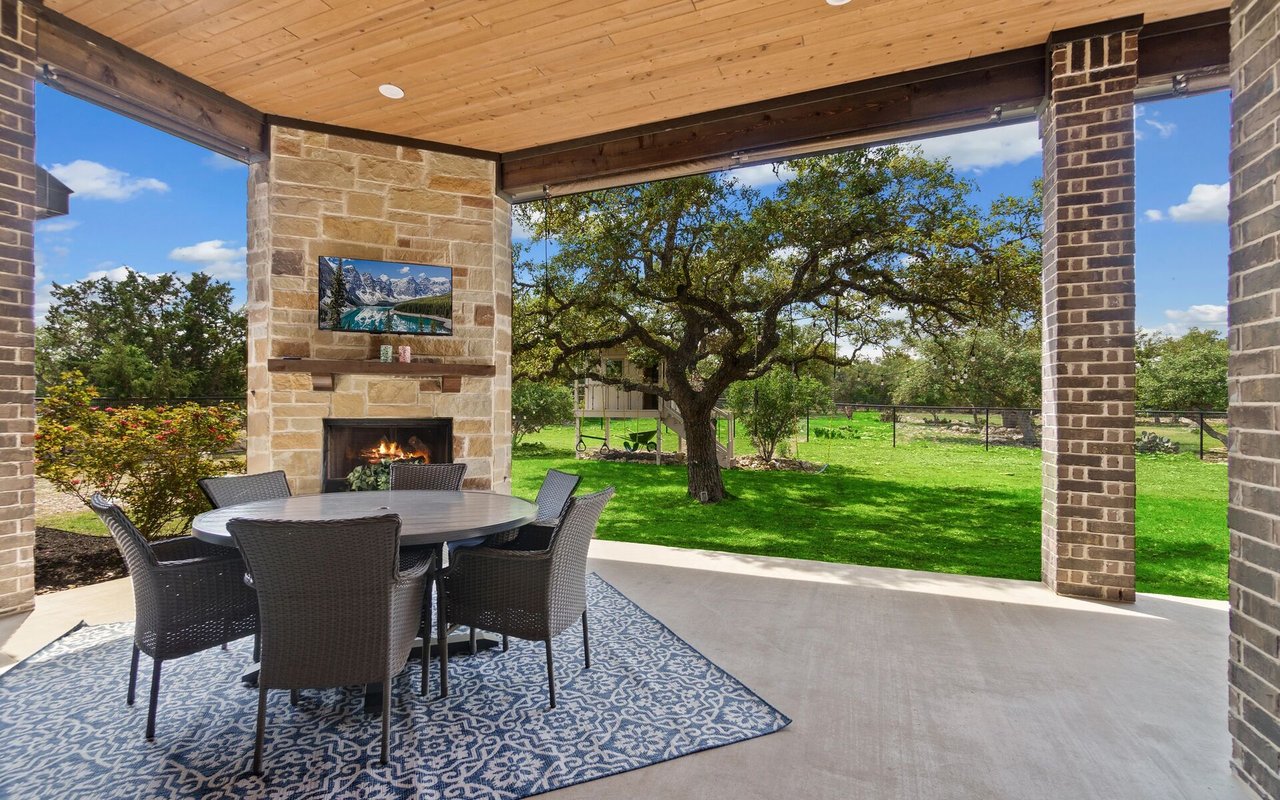
Getting a quote early helps you understand what owning that particular home will cost. It also gives you time to ask.

If you’ve ever been the first person awake in someone else’s house, you’ve probably wondered whether to start the coffee.

When you’re making a list of what to pack, the video doorbell probably isn’t the first thing that comes to mind.

The big day is almost here. You’ve already toured the home, worked through the inspection, and signed enough paperwork.
A renovated kitchen, finished basement, new roof, or upgraded heating system can add a lot to your home’s story.
Whether you’re preparing to sell a Greenwood Village home or searching for the one that finally checks every box, the first step is a conversation. We’ll listen to your goals and timeline, walk you through what to expect, and build a plan around you. From there, Erin and Lance stay hands-on through pricing, preparation, showings, and negotiation, backed by a transaction coordinator who keeps every deadline in view. The consultation is informational, confidential, and pressure-free, because the right fit matters more to us than a fast yes.
(720) 295-6065
[email protected]
ADDRESS
GREENWOOD VILLAGE, CO 80111