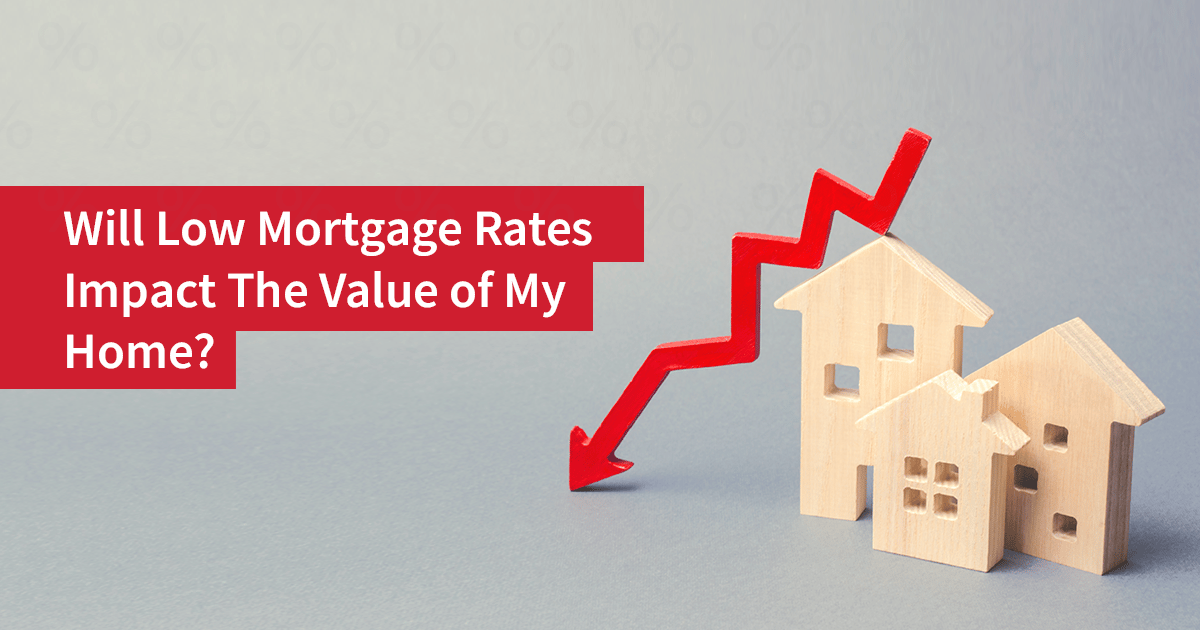
3 Ways Low Mortgage Rates Impact the Value of Your Home
From travel to toilet paper stock at your local grocery store. However, there’s another effect you might want to keep an eye on if you’re a homeowner: Falling mortgage rates. In the United States, the Federal Reserve cut rates by half a percentage point on March 3 (to keep up with the market), then again by 1.5 percent on March 15 (in response to COVID-19). In Canada, the Bank of Canada cut rates by 1% on March 13.
What does this mean if you’re already a homeowner? The first answer is easy: If you’ve been thinking about refinancing, now’s a good time to lock in a low rate. But if you’re concerned about the value of your home (particularly if you’ve been looking to sell in the next year), the news is a little more complicated. Here’s how the latest low mortgage rates might impact home values:
ONE
Low mortgage rates motivate many potential homebuyers to take the leap into homeownership. When there are more buyers than there are homes, supply and demand apply and you can expect property values to increase. However, that’s the expected scenario when there are low rates without a worldwide pandemic. If COVID-19 keeps buyers at home and properties linger on the market, price cuts abound and then create a trend towards lower home values.
TWO
Interest rate changes don’t just affect mortgages, it also affects savings accounts, CDs and other investments. Lower rates of return elsewhere mean less capital that could go into purchasing real estate, a factor that puts “supply” ahead of “demand.” Ideally, though, lackluster rates of return could motivate potential buyers to put their money into real estate instead, leading to a rise in home prices (and home values).
THREE
While no one knows the long-term effects COVID-19 will have on the economy, many anticipate another rate drop to follow. Potential buyers might take a “wait and see” approach, which leads to homes languishing on the market, price cuts and possible trends in lower home values as a result if it’s a long-term issue.
Overall, the low mortgage rates generally mean good news for sellers, but the current pandemic does add an element of uncertainty that brings caveats. While national trends are an important factor to watch, your best indicator of where your local market is going is by keeping an eye on your neighborhood — and getting in contact with a realtor who already is up on the area.
The other factors that could affect your home’s value might not have been mentioned. We know that every seller has different timelines and priorities.
If you’re concerned about how your home’s value could be affected by low mortgage rates, we’re here to listen to your concerns and help walk you through the process.

As 2022 enters the final few months, you may be wondering about making your move now to sell a home.

Getting a quote early helps you understand what owning that particular home will cost. It also gives you time to ask.

If you’ve ever been the first person awake in someone else’s house, you’ve probably wondered whether to start the coffee.

When you’re making a list of what to pack, the video doorbell probably isn’t the first thing that comes to mind.

The big day is almost here. You’ve already toured the home, worked through the inspection, and signed enough paperwork.

A renovated kitchen, finished basement, new roof, or upgraded heating system can add a lot to your home’s story.
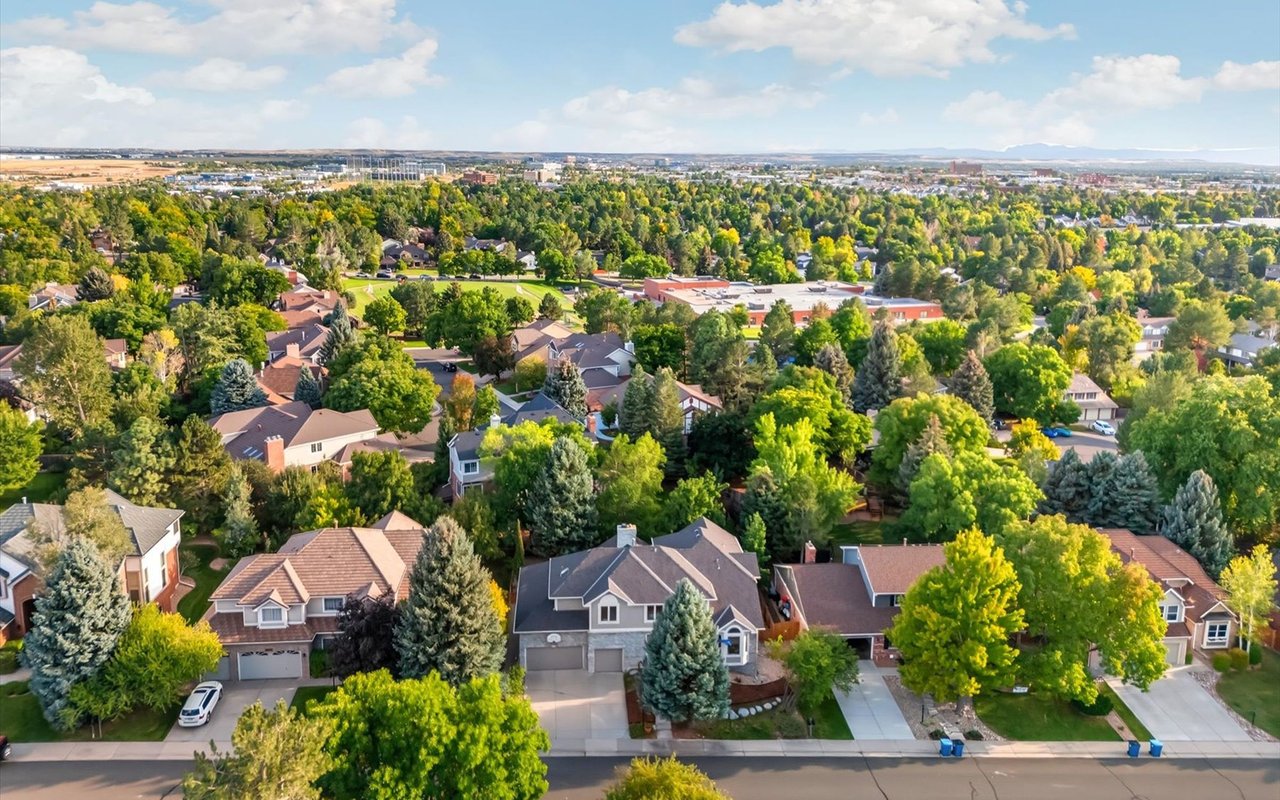
Whether you’re preparing to sell a Greenwood Village home or searching for the one that finally checks every box, the first step is a conversation. We’ll listen to your goals and timeline, walk you through what to expect, and build a plan around you. From there, Erin and Lance stay hands-on through pricing, preparation, showings, and negotiation, backed by a transaction coordinator who keeps every deadline in view. The consultation is informational, confidential, and pressure-free, because the right fit matters more to us than a fast yes.
(720) 295-6065
[email protected]
ADDRESS
GREENWOOD VILLAGE, CO 80111