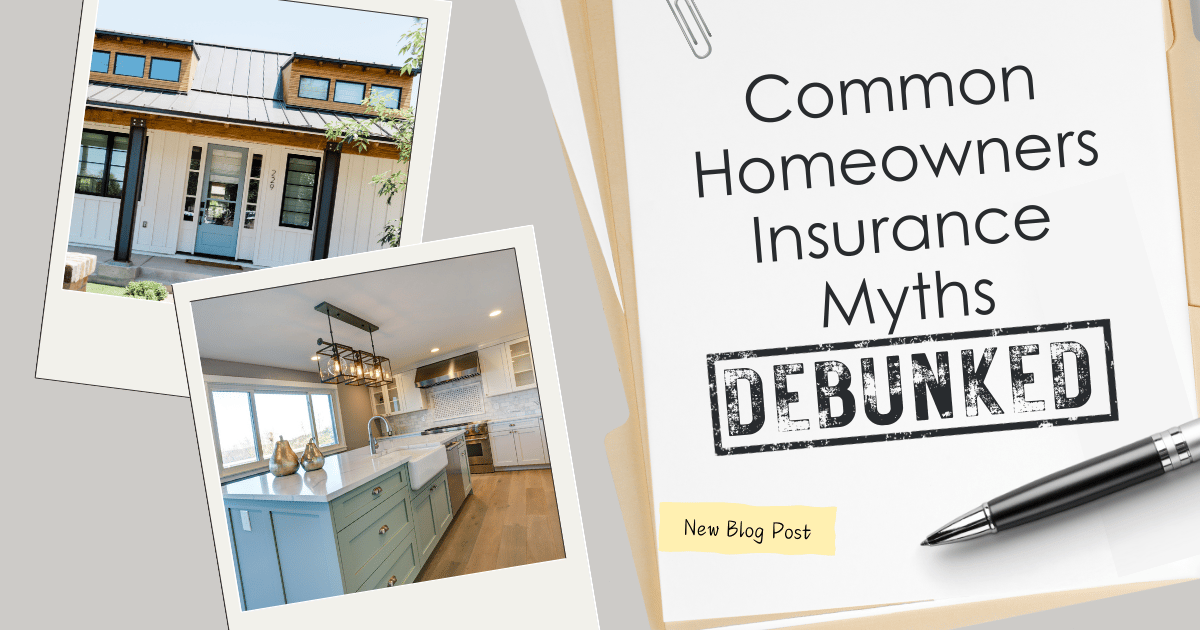
Common Homeowners Insurance Myths Debunked
Homeowners insurance is one of those things people don’t think about until they need it. Unfortunately, by the time you’re dealing with a crisis—a tree crashing through the roof, a burst pipe flooding your basement, or worse—it’s too late to address anything you assumed about your policy that might not be true. There are plenty of myths floating around about homeowners insurance, so let’s set the record straight so you can make informed decisions about your home’s protection.
One of the biggest misconceptions is that homeowners insurance covers every type of damage or disaster. While many policies do provide broad protection, they come with exclusions. For example, standard policies typically don’t cover:
It’s crucial to read your policy and understand what’s covered—and what’s not—before assuming you’re protected.
Many homeowners assume their insurance should match what their home would sell for on the market. In reality, insurance is based on the cost to rebuild, not the home’s resale value. Market value includes factors like land and location, while replacement cost focuses on materials and labor to reconstruct the home as it was before the damage occurred. With fluctuating construction costs, it’s essential to review your policy periodically to ensure you have enough coverage.
Liability coverage in a homeowners insurance policy does protect you if someone gets injured on your property, but there are exceptions. If the injury resulted from negligence—say, you ignored a rotting deck railing that finally gave way—you could still be sued for damages beyond your policy limits. Also, if you run a business from home and a client gets injured, your standard policy may not cover it.
Most homeowners policies have coverage limits for expensive items like jewelry, artwork, collectibles, high-end electronics, and firearms. While your policy may provide some protection, it often comes with per-item or category caps that may be far lower than the actual value of your belongings. This means that if a valuable item is lost, stolen, or damaged, your standard policy might only reimburse a fraction of its worth.
If you own high-value items that exceed these limits, you can add a scheduled personal property endorsement or rider to specifically insure them for their full appraised value. This provides broader protection, including coverage for accidental loss or damage that standard policies often exclude. To ensure adequate protection, it’s wise to periodically review your policy, get professional appraisals for valuable items, and keep an updated inventory of your possessions.
With more people working remotely, many homeowners assume their standard insurance fully covers work-related equipment and activities—but this is a common misunderstanding. While a standard homeowners policy may offer limited coverage for business property, it often has restrictions on the value of work equipment it will reimburse and may not cover items owned by your employer at all.
Key Coverage Gaps:
How to Stay Protected:
To make sure you’re fully covered in this scenario, you can consider the following options and decide which is right for you:
If you work from home, check with your insurer to ensure you have the right coverage—before an unexpected loss occurs.
Mold and pest damage are generally considered preventable maintenance issues, not sudden and accidental damage, which is why most policies don’t cover them. If mold results from a covered peril—such as water damage from a burst pipe—your policy may help pay for remediation. But if the mold is due to long-term humidity or leaks that weren’t addressed, you’re likely on your own.
This one surprises a lot of people. In most cases, your insurance covers damage to your property, regardless of where the tree came from. However, if your neighbor was negligent—like if they knew the tree was dead and did nothing about it—you might be able to file a claim with their insurance or take legal action.
This isn’t necessarily true. Insurance companies consider many factors when adjusting rates, including your claims history, the type of claim, and your location. A single small claim may not impact your premium much—but frequent claims or a history of high payouts could raise your rates. That’s why it’s important to weigh the cost of repairs against your deductible before filing.
Homeowners insurance is an essential safeguard, but it’s not a one-size-fits-all policy. Understanding what’s covered—and what isn’t—can help you avoid costly surprises down the road. If you’re unsure about your coverage, you should sit down with your insurance agent to review your policy and ensure you have the right protection in place.
Have questions about homeowners insurance and how it affects your real estate decisions? Let’s chat!
Ready to find a new home this spring?
Tell me what you're looking for, and we'll make it a reality.

As 2022 enters the final few months, you may be wondering about making your move now to sell a home.
Getting a quote early helps you understand what owning that particular home will cost. It also gives you time to ask.

If you’ve ever been the first person awake in someone else’s house, you’ve probably wondered whether to start the coffee.

When you’re making a list of what to pack, the video doorbell probably isn’t the first thing that comes to mind.

The big day is almost here. You’ve already toured the home, worked through the inspection, and signed enough paperwork.

A renovated kitchen, finished basement, new roof, or upgraded heating system can add a lot to your home’s story.
Whether you’re preparing to sell a Greenwood Village home or searching for the one that finally checks every box, the first step is a conversation. We’ll listen to your goals and timeline, walk you through what to expect, and build a plan around you. From there, Erin and Lance stay hands-on through pricing, preparation, showings, and negotiation, backed by a transaction coordinator who keeps every deadline in view. The consultation is informational, confidential, and pressure-free, because the right fit matters more to us than a fast yes.
(720) 295-6065
[email protected]
ADDRESS
GREENWOOD VILLAGE, CO 80111