How the Homes We Live In Shape the Lives We Lead
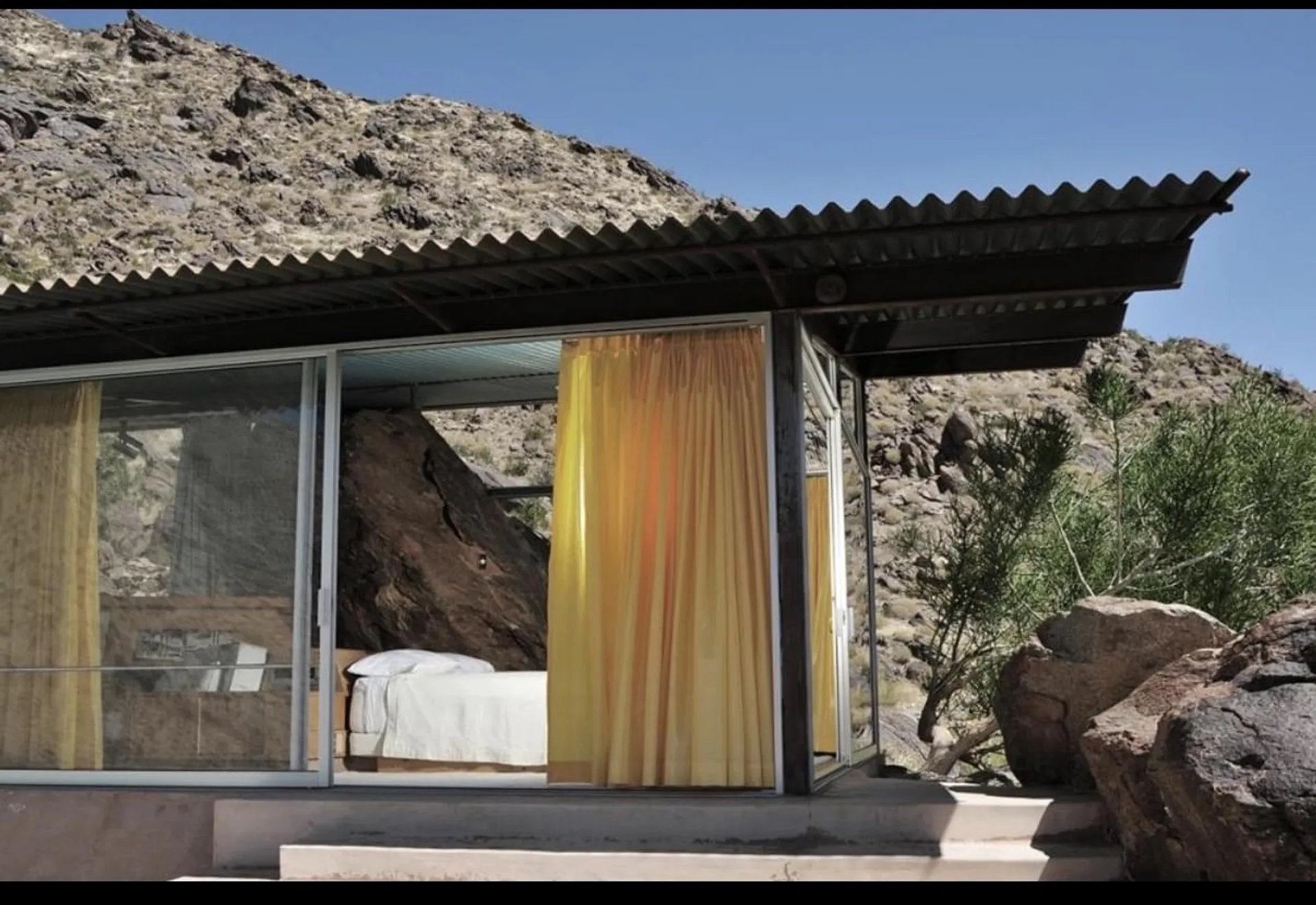
Albert Frey’s Palm Springs residence.
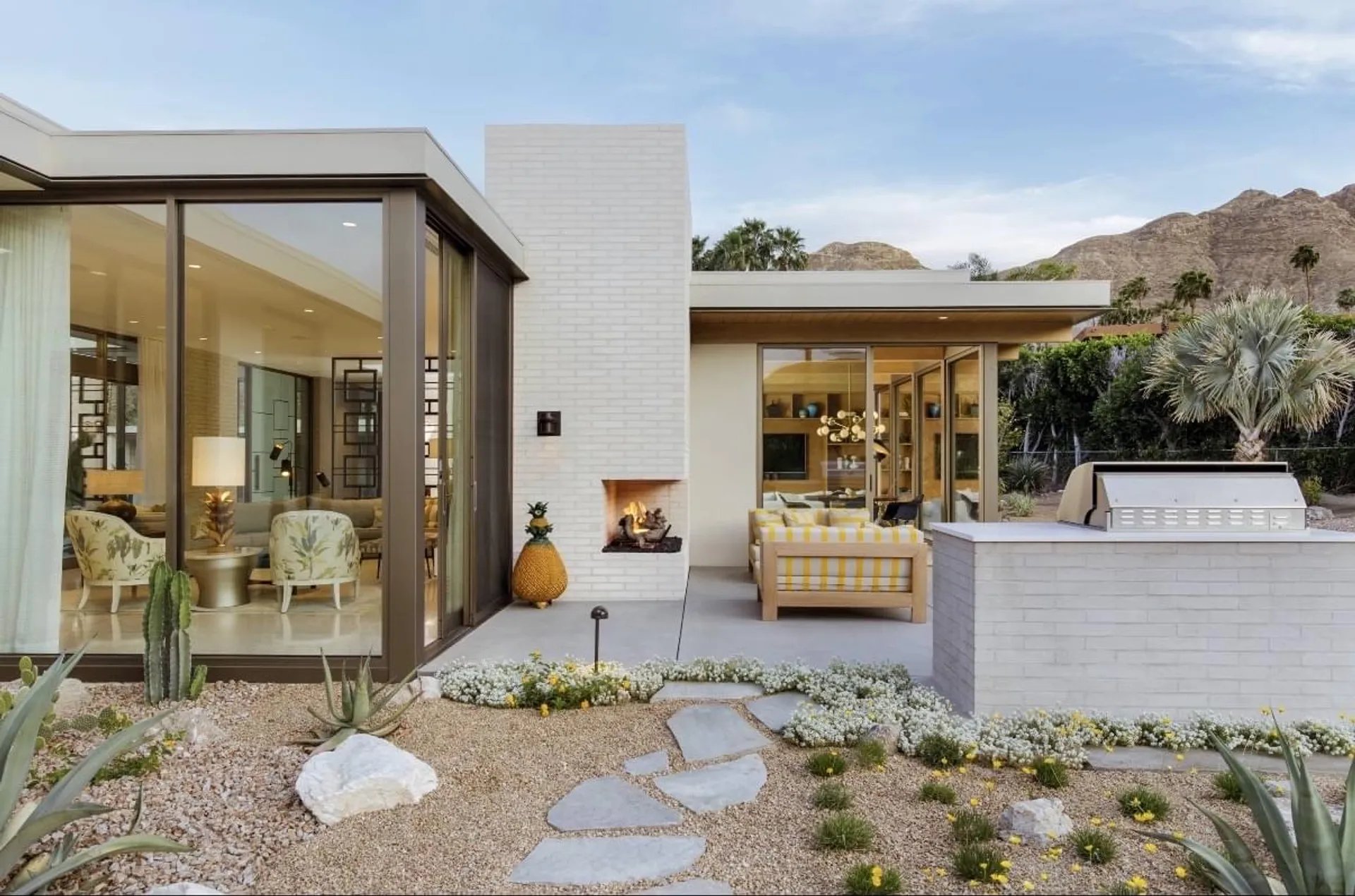
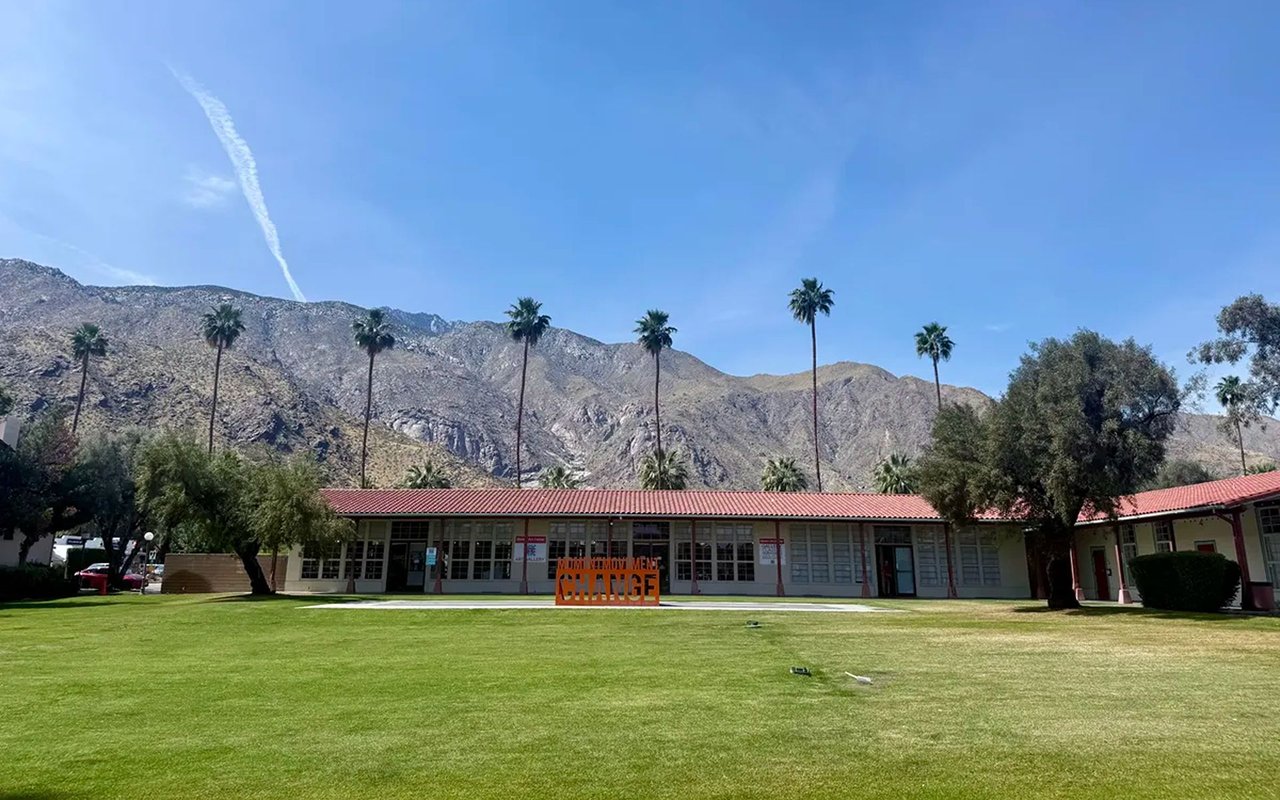
I’m writing this from Palm Springs, where I’ve spent the past few days touring midcentury homes—many influenced by architect Albert Frey.
What strikes me most is not just how these homes look, but how they behave. Or more accurately, how they invite us to behave.
Most of the homes here don’t fight the desert. They yield to it. They stretch low and horizontal, hugging the earth where it’s cooler. Rooflines echo the mountains in the distance. Glass walls dissolve the boundary between inside and out, making the landscape feel like part of the architecture itself.
And in doing so, they subtly shape the rhythm of daily life.
There’s a well-known idea in linguistics called the Sapir–Whorf hypothesis: the notion that language influences how we think and perceive the world.
But what I found myself wondering as I walked through these homes was this:
The answer is both simple and profcound.
Not in a rigid, deterministic way, but in a quiet, persistent one.
Every space carries with it a set of invitations.
A kitchen island invites gathering.
A shaded courtyard invites pause.
A long hallway encourages movement, not lingering.
Psychologist James J. Gibson described this through the concept of affordances, the idea that environments offer certain actions to us. We don’t just use space; we respond to what it makes possible.
And over time, those small responses become patterns. Rituals. Ways of living.
This is where architecture becomes more than aesthetic—it becomes behavioral.
In Palm Springs, the desert is not just a backdrop. It’s an active participant in design.
Homes here are oriented for shade, not excess. Materials are chosen for heat and light, not ornament. Open floor plans aren’t just trendy—they’re functional responses to climate and airflow.
But something else happens, too.
These homes encourage a kind of calm attentiveness:
This is what biologist Edward O. Wilson would describe as biophilia, our innate tendency to seek connection with nature.
And when architecture aligns with that instinct, it doesn’t just look beautiful—it feels right.
The most compelling takeaway from these homes isn’t their design pedigree. It’s their subtle influence.
A home can:
Over time, those influences compound.
Which leads to a perspective I’ve been sitting with:
We don’t just live in spaces. We learn how to live through them.
As a Realtor, I’m often asked about value: price per square foot, appreciation, timing.
But there’s another layer of value that’s harder to quantify:
How does a home shape the way you experience your life?
Does it invite you to slow down? To gather?
To connect with your environment?
Or does it pull you in the opposite direction?
Because the right home doesn’t just meet your needs.
It aligns with the life you’re trying to build.
Architecture, at its best, is not about imposing itself on the land—or on the people who live within it.
It’s about alignment.
With climate.
With landscape.
With human nature.
And when that alignment is achieved, like it is in so many of these desert homes, it doesn’t just change how a space looks.
It changes how life feels inside of it.
~ Erin
As 2022 enters the final few months, you may be wondering about making your move now to sell a home.
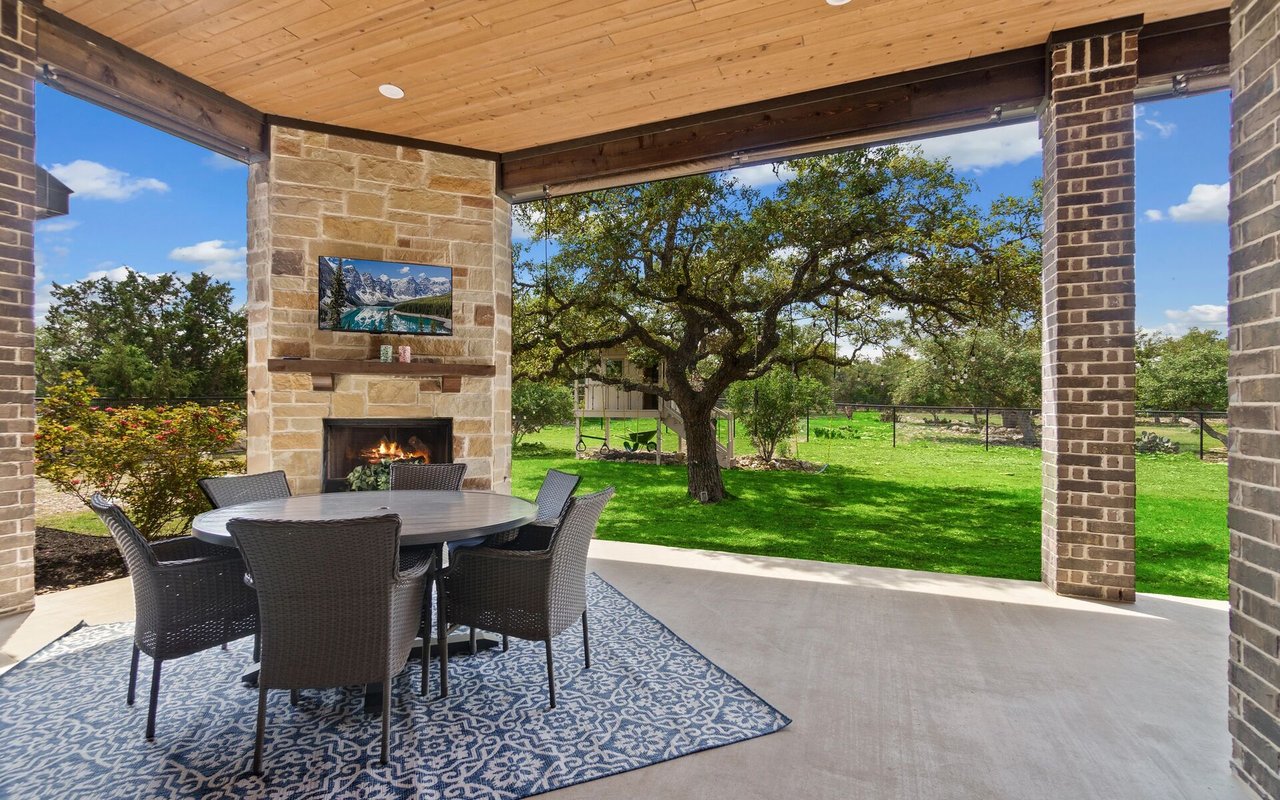
Getting a quote early helps you understand what owning that particular home will cost. It also gives you time to ask.
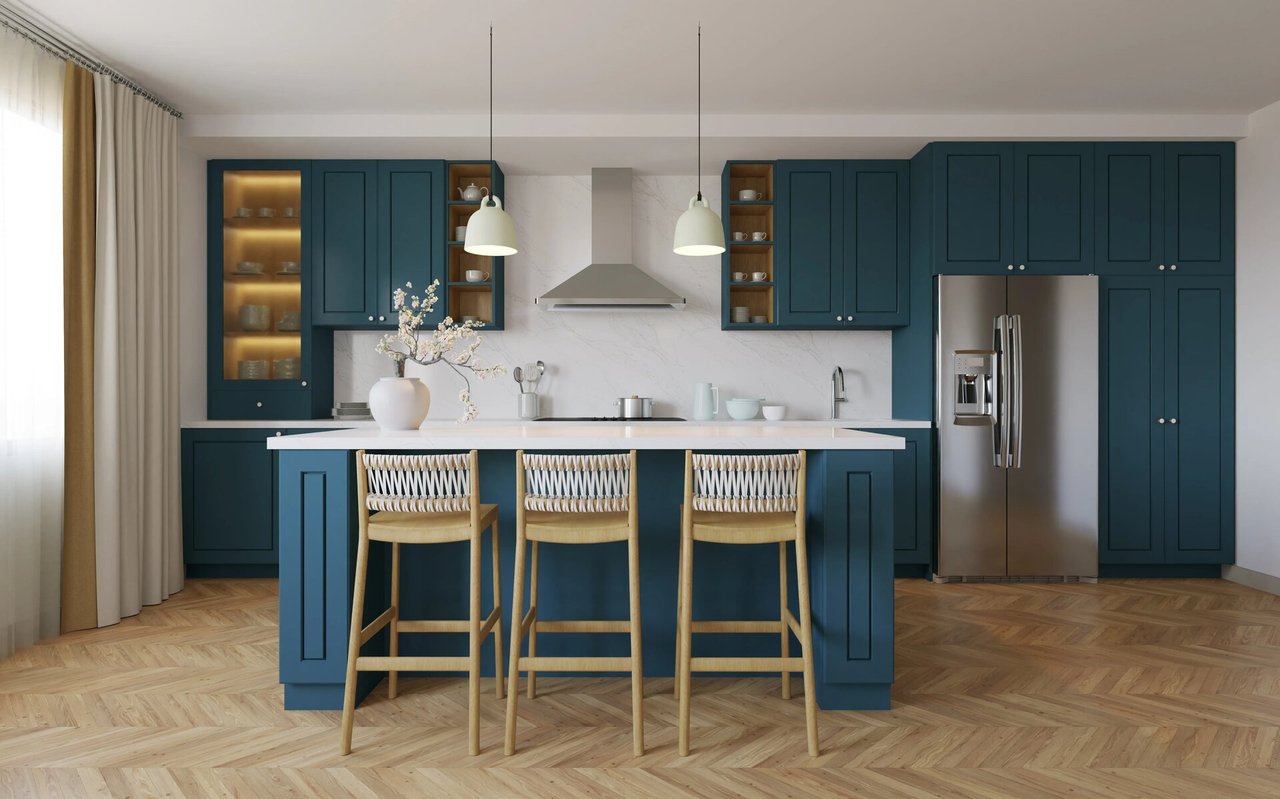
If you’ve ever been the first person awake in someone else’s house, you’ve probably wondered whether to start the coffee.
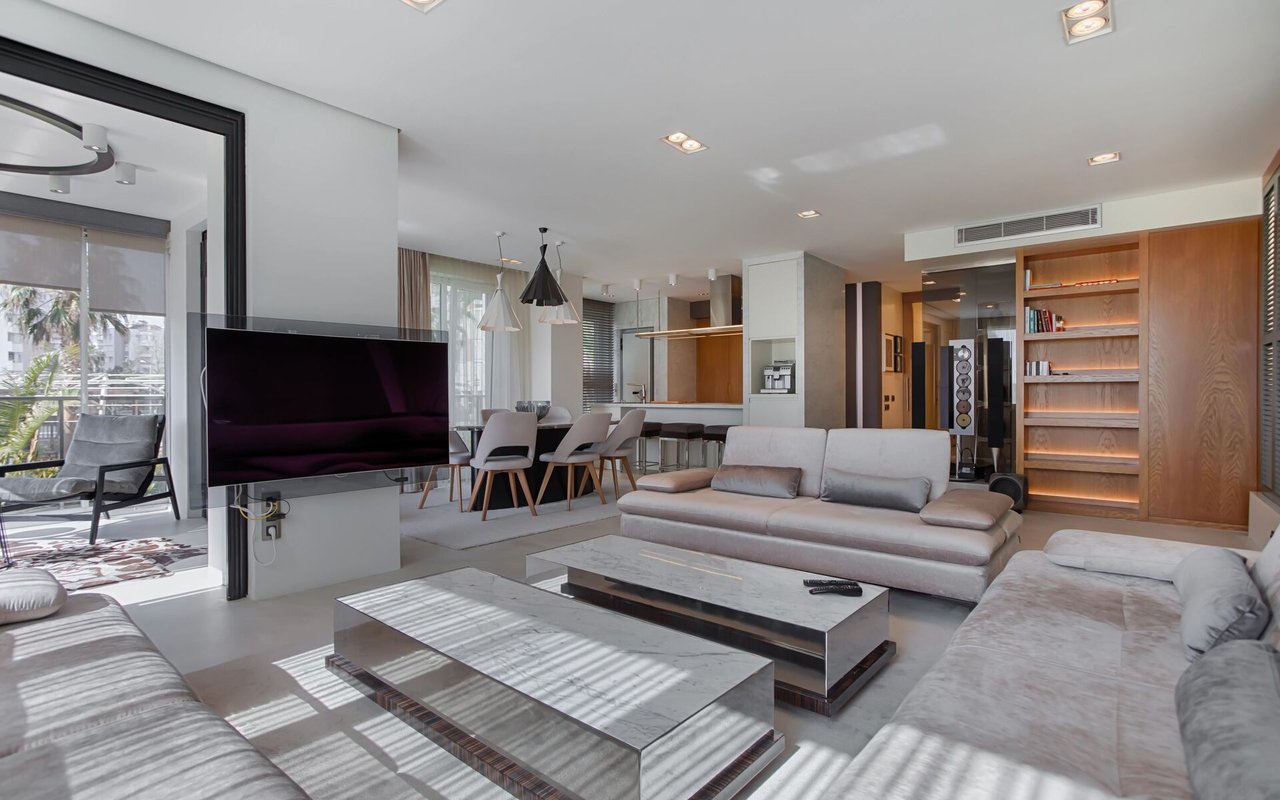
When you’re making a list of what to pack, the video doorbell probably isn’t the first thing that comes to mind.
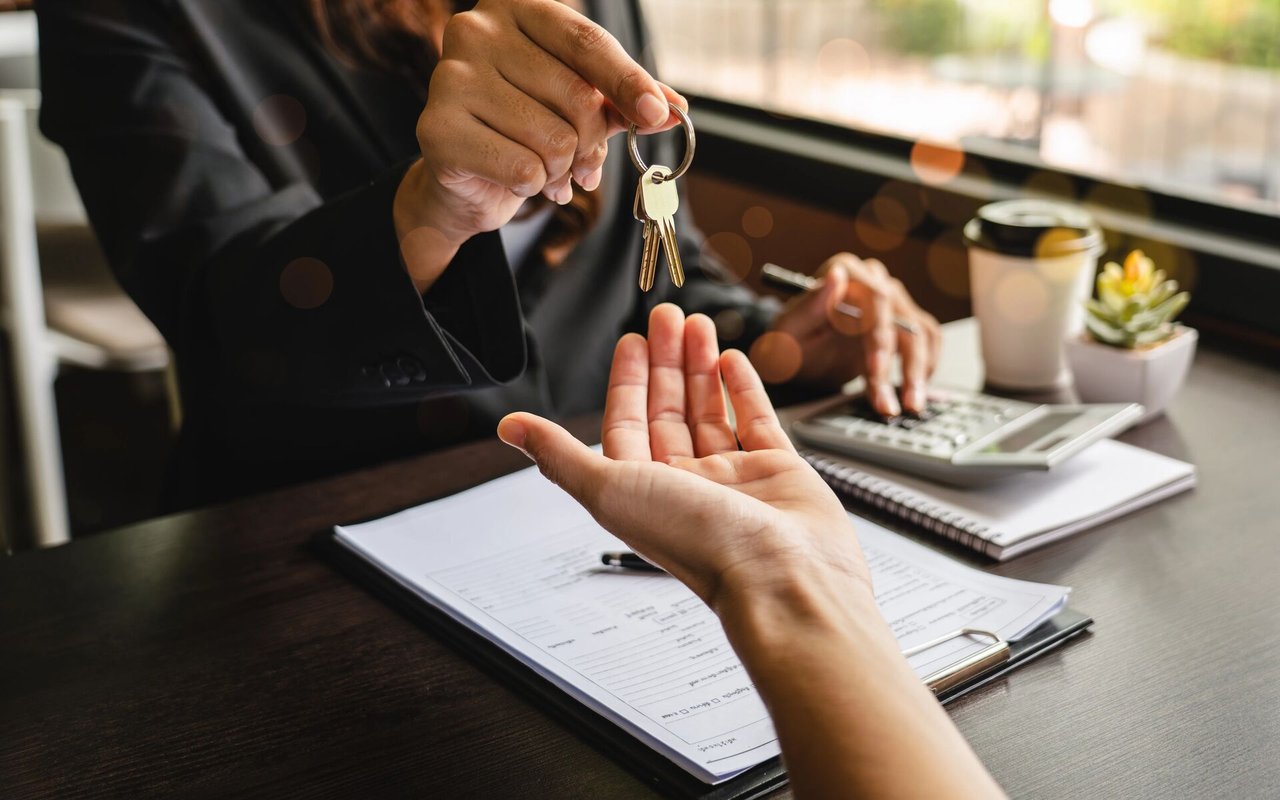
The big day is almost here. You’ve already toured the home, worked through the inspection, and signed enough paperwork.
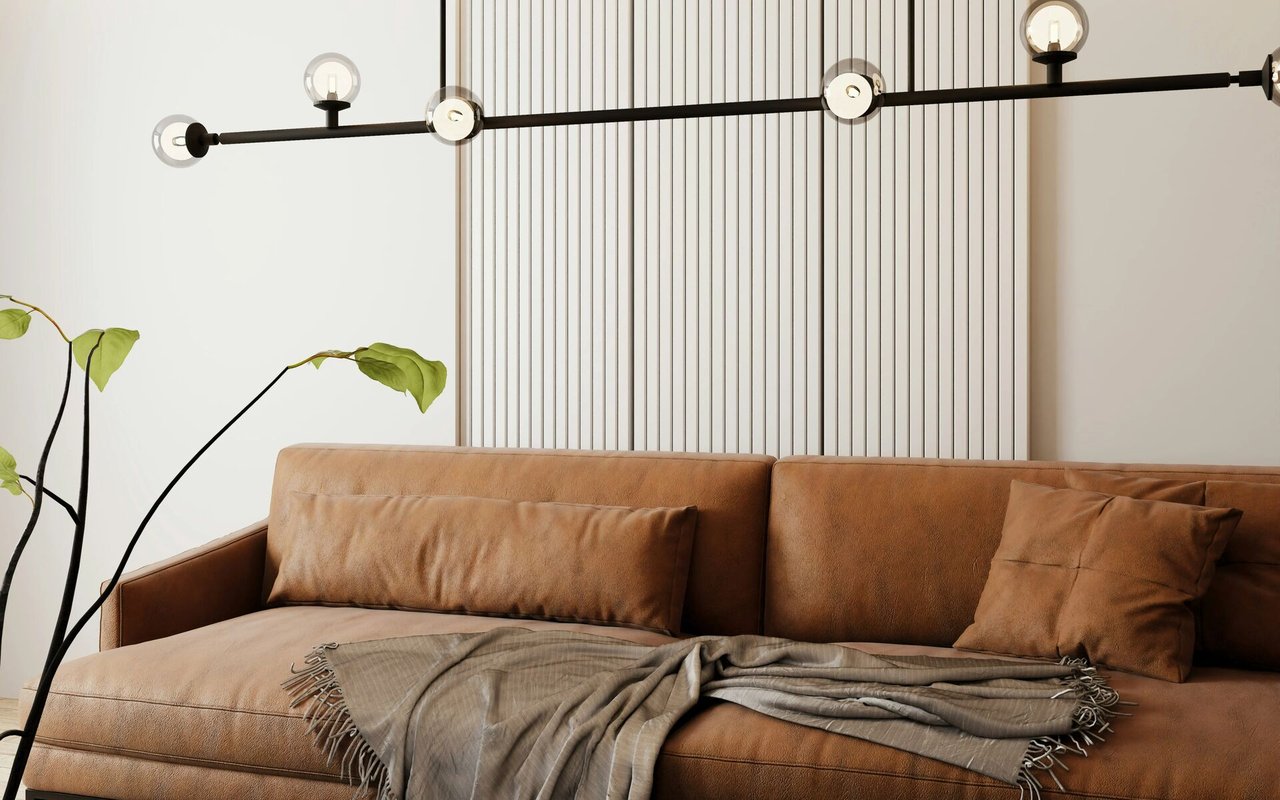
A renovated kitchen, finished basement, new roof, or upgraded heating system can add a lot to your home’s story.
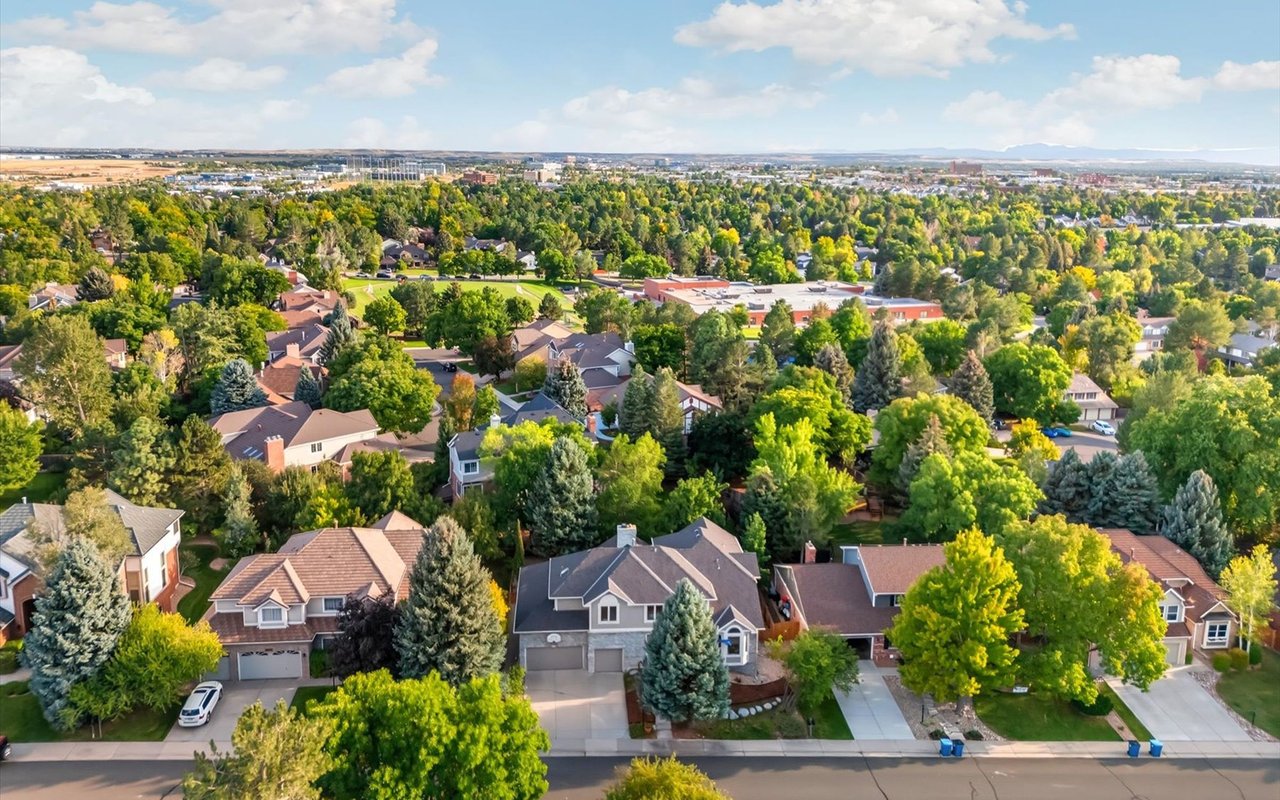
Whether you’re preparing to sell a Greenwood Village home or searching for the one that finally checks every box, the first step is a conversation. We’ll listen to your goals and timeline, walk you through what to expect, and build a plan around you. From there, Erin and Lance stay hands-on through pricing, preparation, showings, and negotiation, backed by a transaction coordinator who keeps every deadline in view. The consultation is informational, confidential, and pressure-free, because the right fit matters more to us than a fast yes.
(720) 295-6065
[email protected]
ADDRESS
GREENWOOD VILLAGE, CO 80111