
Smart Ways To Make Your Home a Little Greener This Spring
Spring cleaning gets all the attention, but spring is also the most practical time to look at how your home uses energy and resources. The days are longer, you're already thinking about the house, and many of the changes that make a real difference cost almost nothing to start.
Making a home more sustainable doesn't require a full renovation. Most of what actually moves the needle involves fixing small inefficiencies that have been running up costs for years. Here's where to start.
Before spending anything on upgrades, take stock of where your home is losing conditioned air. Gaps around window frames, door thresholds, attic hatches, and electrical outlets on exterior walls are among the most common culprits. Weatherstripping and caulk are inexpensive, take an afternoon to apply, and make a noticeable difference in both comfort and utility costs within the first billing cycle.
If your attic has less than 10 to 12 inches of insulation, adding more will reduce heating and cooling load more than almost any other single improvement.
Low-flow showerheads and faucet aerators are widely available at hardware stores for under $20 each and can reduce household water use by 25 to 30 percent without any perceptible change in pressure. A running toilet wastes thousands of gallons per year and is often caused by a worn flapper that costs a few dollars to replace.
Outdoors, adjusting irrigation schedules to run in the early morning rather than midday reduces evaporation significantly. If your system has a rain sensor, confirm it's working. Many sit dormant for years without anyone checking.
Not every appliance needs to be replaced. Older water heaters and dryers are typically the biggest energy consumers in a home, and they're also the least visible. A water heater older than 10 to 12 years is likely running at reduced efficiency and costing more to operate than a newer unit would. That's worth factoring into any home budget conversation.
For everything else, the calculation is straightforward: if the appliance is functioning well and under 10 years old, maintain it. If it's failing or significantly older, compare annual operating costs against replacement before defaulting to repair.
If your home still has incandescent bulbs anywhere, switching to LEDs is one of the simplest, lowest-cost improvements available. LED bulbs use roughly 75 percent less energy and last significantly longer. Smart plugs and timers for outdoor and security lighting reduce the energy wasted leaving lights on overnight.
This is also a good time to walk through and identify any fixtures or lamps that are on by default and rarely turned off. Small reductions in baseline load add up over a full year.
Refillable containers, concentrated cleaning products, and reusable storage reduce both waste and the frequency of purchases. Over a year, a household can eliminate dozens of single-use plastic containers through a handful of simple substitutions. The financial savings are modest but consistent.
In the kitchen, running full dishwasher loads, air-drying dishes rather than using the heat cycle, and cooking with lids on pots all reduce energy and water use without any new equipment.
Native plants are drought-tolerant by design, require little to no fertilizer, and support local pollinators. Replacing even a portion of a high-maintenance lawn with native ground cover or a garden bed reduces irrigation needs and eliminates fertilizer and pesticide costs entirely.
Composting is a natural companion to spring gardening. A basic compost bin handles kitchen scraps and yard waste and produces usable material within a few months. A small habit that eliminates a meaningful amount of household waste over time.
Trying to address every area of the home at once is how most sustainability efforts stall. Pick one category, make two or three changes, and let them become part of the routine before moving on. The changes actually stick that way.
It's also worth knowing that energy-efficient features and lower utility costs are showing up more consistently on buyer priority lists. Improvements made now benefit daily life and hold real resale value without requiring a significant upfront investment.
If you're thinking about listing, some of these improvements are worth making before you do. If you're staying put for the foreseeable future, most of them will pay for themselves within a year. Either way, spring is a practical time to take stock of how your home is performing and make a few targeted improvements.
We can help you understand which upgrades carry the most weight in our local market and which ones buyers are actually looking for right now. Reach out when you're ready to talk through the specifics.
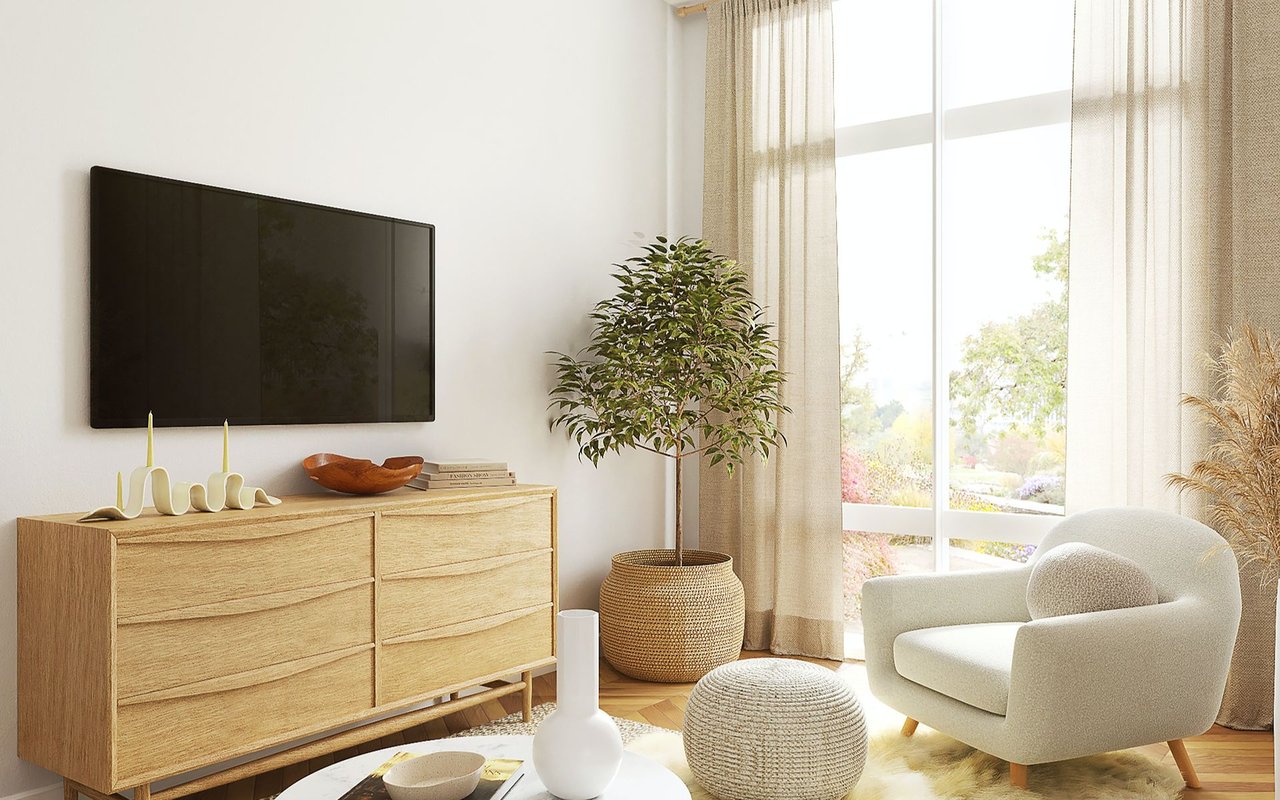
As 2022 enters the final few months, you may be wondering about making your move now to sell a home.
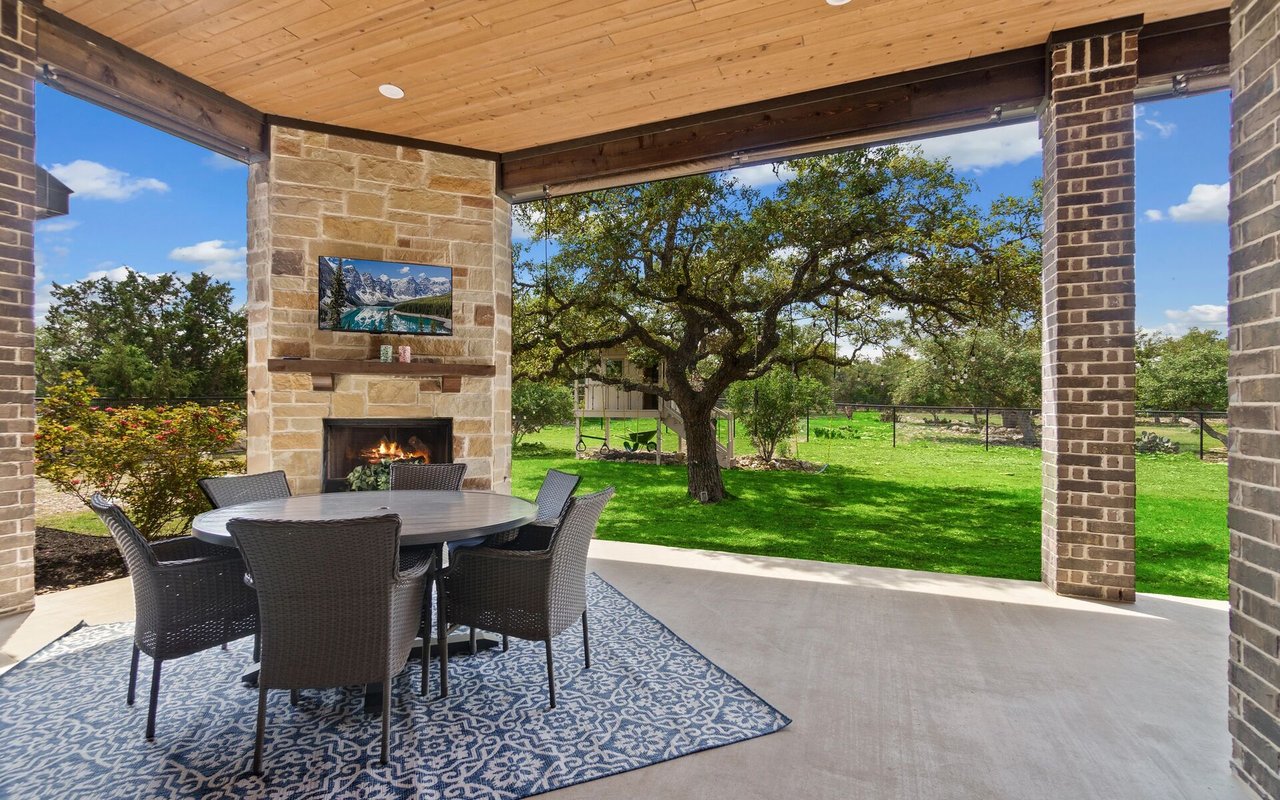
Getting a quote early helps you understand what owning that particular home will cost. It also gives you time to ask.
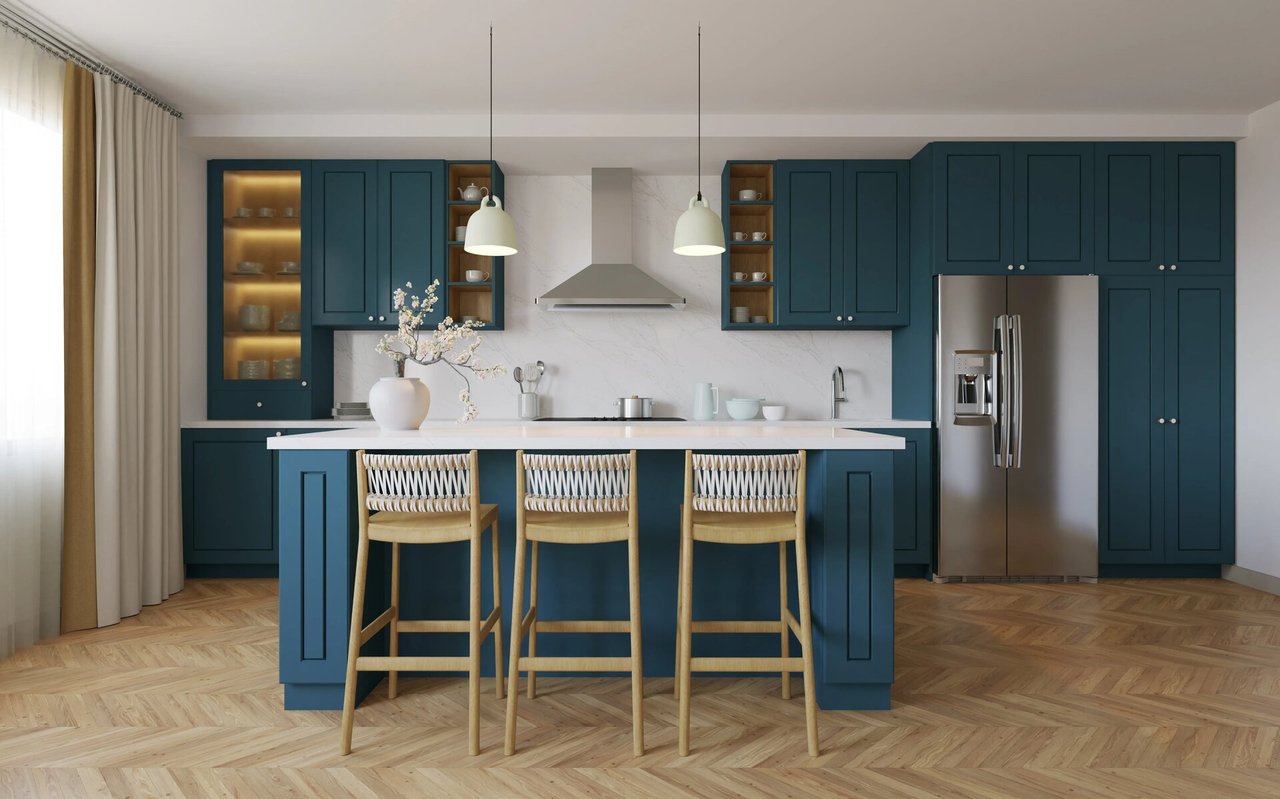
If you’ve ever been the first person awake in someone else’s house, you’ve probably wondered whether to start the coffee.

When you’re making a list of what to pack, the video doorbell probably isn’t the first thing that comes to mind.

The big day is almost here. You’ve already toured the home, worked through the inspection, and signed enough paperwork.
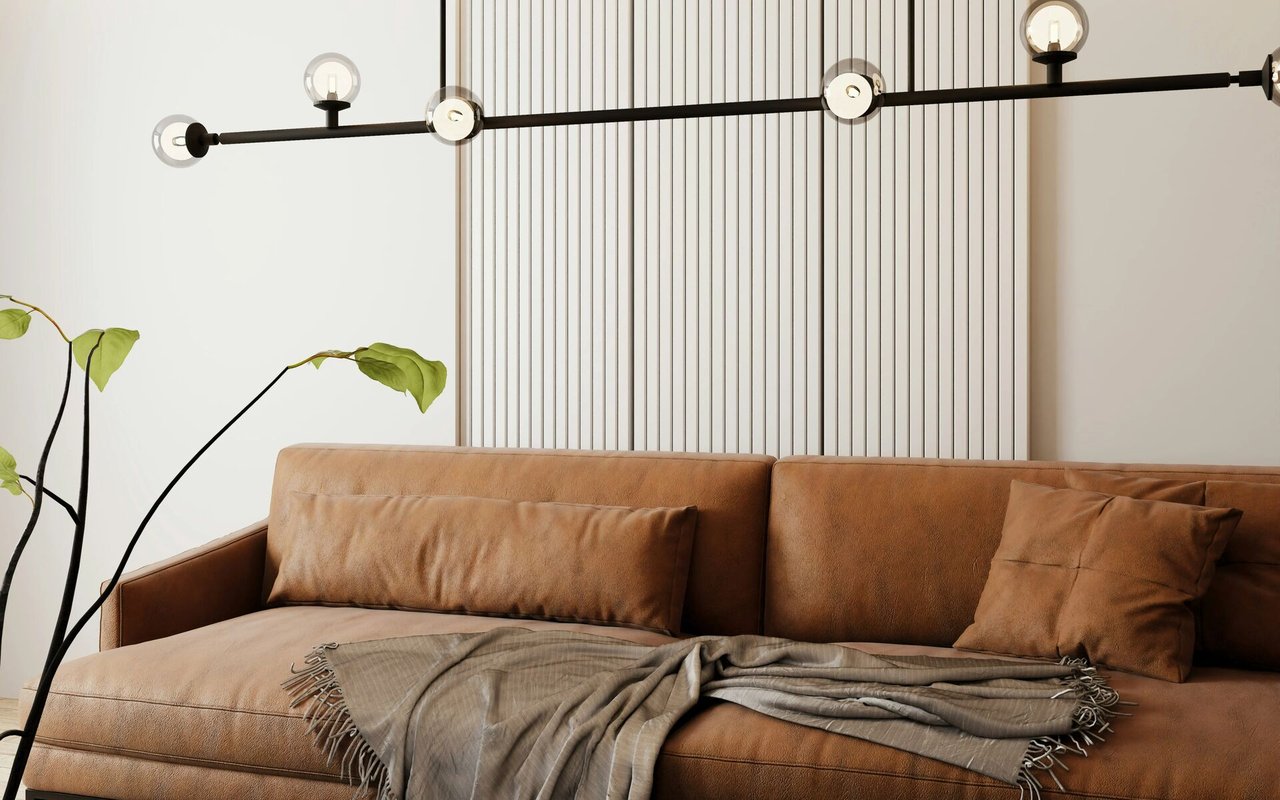
A renovated kitchen, finished basement, new roof, or upgraded heating system can add a lot to your home’s story.
Whether you’re preparing to sell a Greenwood Village home or searching for the one that finally checks every box, the first step is a conversation. We’ll listen to your goals and timeline, walk you through what to expect, and build a plan around you. From there, Erin and Lance stay hands-on through pricing, preparation, showings, and negotiation, backed by a transaction coordinator who keeps every deadline in view. The consultation is informational, confidential, and pressure-free, because the right fit matters more to us than a fast yes.

(720) 295-6065
[email protected]
ADDRESS
GREENWOOD VILLAGE, CO 80111