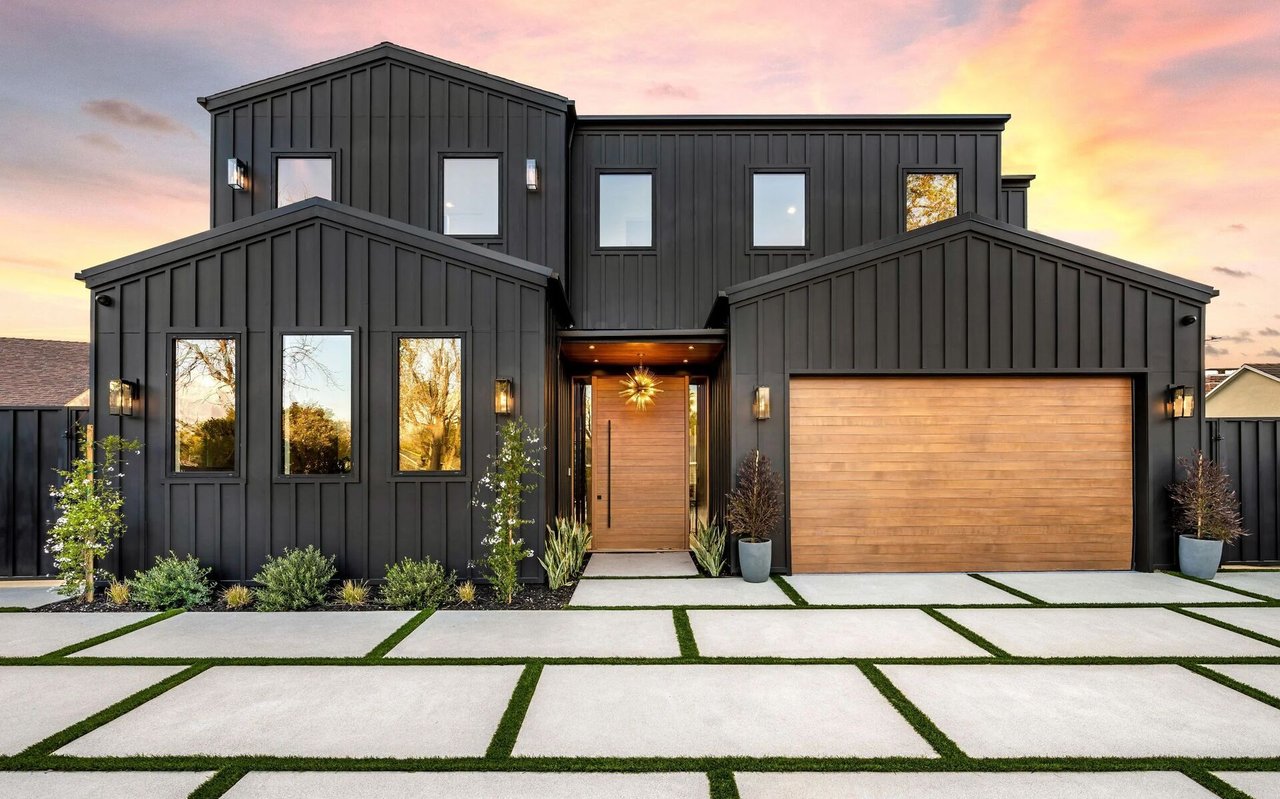
The Fixer-Upper: Dream Project or Money Pit?
For many homeowners and real estate enthusiasts, the idea of purchasing a fixer-upper property holds an undeniable allure. The prospect of transforming a neglected or outdated space into a personalized dream home or a profitable investment opportunity is incredibly enticing. However, before embarking on such a project, it's crucial to understand the potential pitfalls and financial implications that come with it. Is a fixer-upper truly a dream project, or could it turn into a money pit?
The primary draw of a fixer-upper is the opportunity to create a living space that reflects your unique style and preferences entirely. With a blank canvas, you have the freedom to design and renovate every aspect of the property, from the layout and floor plan to the finishes and fixtures. This level of customization is not easily achievable with a move-in-ready home, where you may have to compromise on certain features or settle for someone else's design choices.
Moreover, fixer-uppers often come at a lower price point compared to move-in-ready homes, making them an attractive option for those on a tighter budget or looking to enter desirable neighborhoods or markets with high real estate prices. The discounted purchase price allows buyers to allocate funds towards renovations and customizations, potentially leading to a substantial increase in the property's value and equity.
Beyond the financial benefits, many homeowners find immense personal satisfaction and pride in transforming a fixer-upper into their dream home. The process of breathing new life into a neglected property and witnessing the transformation unfold can be incredibly rewarding and fulfilling, both emotionally and creatively.
While the prospect of a fixer-upper may seem enticing, it's essential to approach the project with a realistic mindset. Renovations can quickly spiral out of control, both in terms of time and money. Unforeseen issues, such as structural problems, outdated electrical or plumbing systems, or the presence of hazardous materials like asbestos or lead paint, can significantly increase the overall cost of the project.
Additionally, the process of obtaining permits, hiring contractors, and sourcing materials can be time-consuming and stressful. Delays and unexpected setbacks are common, which can further strain your budget and patience.
Before diving into a fixer-upper project, it's essential to conduct thorough research and create a detailed budget. Consult with professionals, such as architects, contractors, and inspectors, to assess the property's condition and estimate the costs of necessary repairs and renovations. It's also advisable to allocate a contingency fund to cover any unexpected expenses that may arise during the process.
Also consider the opportunity cost of your time and effort. Renovations can be physically and emotionally draining, and you may need to temporarily relocate during certain phases of the project.
Despite the challenges, a successful fixer-upper project can be immensely rewarding. Not only will you have the satisfaction of creating your dream home, but you may also benefit from increased property value and equity. However, it's crucial to strike a balance between your vision and the potential return on investment, especially if you plan to sell the property in the future.
In conclusion, a fixer-upper can be a dream project or a money pit, depending on your preparedness, budget, and ability to navigate the challenges that come with such an undertaking. By carefully evaluating the costs, risks, and your personal commitment, you can make an informed decision about whether a fixer-upper is the right choice for you.
Still not sure?
Let’s chat. With our expertise on your side, you’ll make the right call.

As 2022 enters the final few months, you may be wondering about making your move now to sell a home.
Getting a quote early helps you understand what owning that particular home will cost. It also gives you time to ask.

If you’ve ever been the first person awake in someone else’s house, you’ve probably wondered whether to start the coffee.

When you’re making a list of what to pack, the video doorbell probably isn’t the first thing that comes to mind.
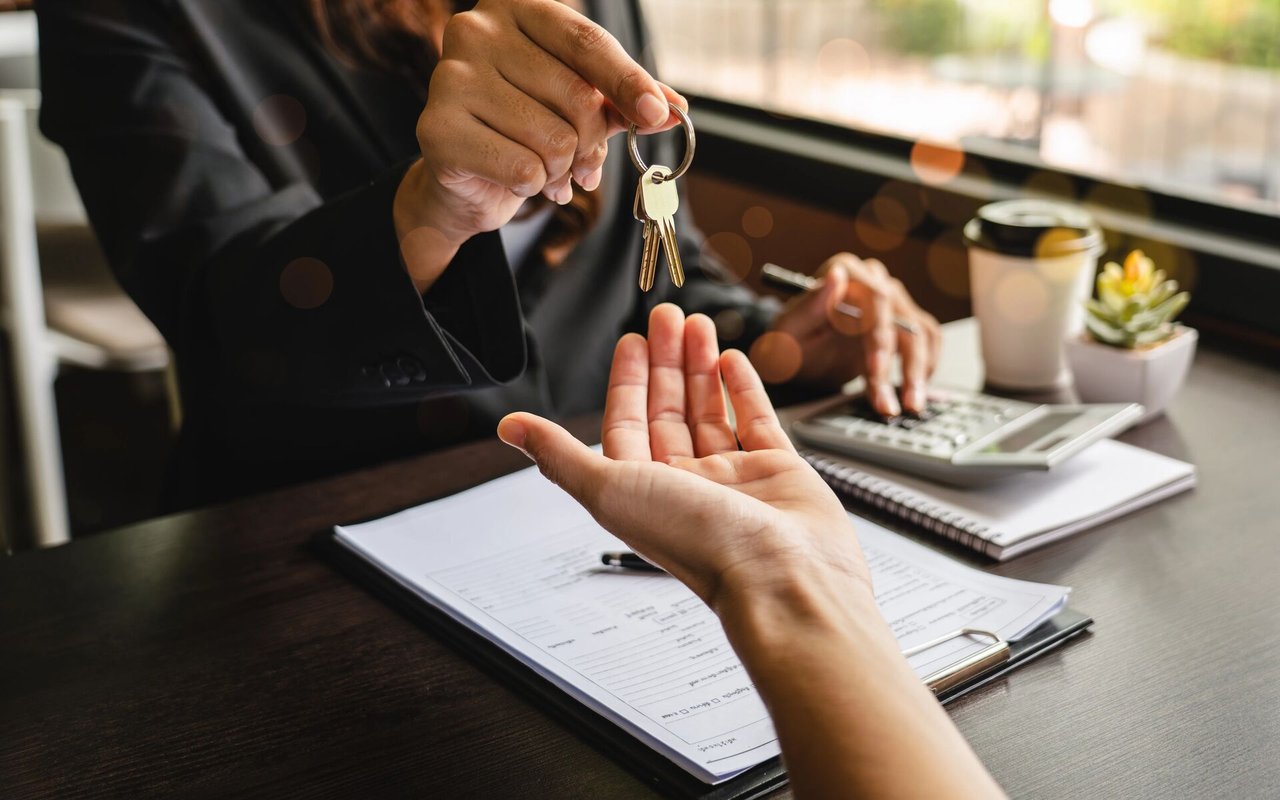
The big day is almost here. You’ve already toured the home, worked through the inspection, and signed enough paperwork.

A renovated kitchen, finished basement, new roof, or upgraded heating system can add a lot to your home’s story.
Whether you’re preparing to sell a Greenwood Village home or searching for the one that finally checks every box, the first step is a conversation. We’ll listen to your goals and timeline, walk you through what to expect, and build a plan around you. From there, Erin and Lance stay hands-on through pricing, preparation, showings, and negotiation, backed by a transaction coordinator who keeps every deadline in view. The consultation is informational, confidential, and pressure-free, because the right fit matters more to us than a fast yes.

(720) 295-6065
[email protected]
ADDRESS
GREENWOOD VILLAGE, CO 80111