The Housing Market Is Split. Here’s Why
The real estate market continues to make national headlines, but what happens when your experience doesn’t seem to match up with what you’re hearing in the news? If you’ve been experiencing any confusion about the real estate market in the last year, you’re not alone. It’s because the U.S. is in what’s called a bifurcated market, or a split market. Check it out.
In the context of real estate, a bifurcated market refers to a situation where the housing market is divided into two distinct segments, each behaving differently in terms of pricing, supply and demand, and activity. While one segment may be experiencing rapid price growth and high demand, the other may be slower, with more stable or even declining prices.
Beginning in 2020, markets across the country saw home prices rising faster than they did during the housing bubble of 2005 to 2007. This was due in part to record-low interest rates making mortgages more affordable everywhere—but the home price jump wasn’t distributed evenly across the nation. In some markets, such as Raleigh, Las Vegas, and Austin, home values spiked more than 30%, while in others, like some parts of New York and the Midwest, prices rose modestly or didn’t rise at all.
The accelerated price growth of some markets over others has to do with the rapid increase in demand. Many people purchased new homes during COVID-19, fulfilling changing needs, locking in an ultra-low interest rate, and—most importantly—relocating. Many people took advantage of remote work to relocate from an expensive area to a city where they could afford to buy, while others relocated to change jobs or be near family. This led to an exodus from expensive urban centers and caused demand and prices to spike in places previously thought of as affordable.
In 2022, the economy was moving at such a fast pace that inflation rose to a 40-year high of over 9%. To put downward pressure on inflation and prevent a crash, the Fed started increasing interest rates—which meant that mortgage rates rose. From their low of 2.65% in January of 2021, mortgage rates rose to over 7%. Coupled with high prices, these rates have made homeownership unaffordable for many.
It makes sense that high rates and high prices would reduce demand and cause home prices to fall—right? Well, kind of. This is where the market starts to split.
It’s true that when demand drops, prices typically drop as well—but you have to factor supply into the equation. While demand is dropping, many markets are seeing a reduction in available inventory as well, because homeowners who have mortgage rates between 2 and 3% don’t want to sell their homes. The split in the national market happens when a region’s pullback in demand is matched by a reduction in supply, allowing prices to stabilize or even continue to grow—while in other regions, demand drops and supply remains the same, causing prices to fall.
Where is this happening? In what some are calling a correction of COVID-19’s outrageous price jumps, most of the drops are happening in markets where prices saw extreme growth from 2020 to 2022. Conversely, markets that were more stable during the pandemic seem to be more stable now as well, showing steady prices and modest growth.
Curious where our market falls on this split and what it means for you?
Get in touch, and we’ll tell you everything you need to know.

As 2022 enters the final few months, you may be wondering about making your move now to sell a home.
Getting a quote early helps you understand what owning that particular home will cost. It also gives you time to ask.
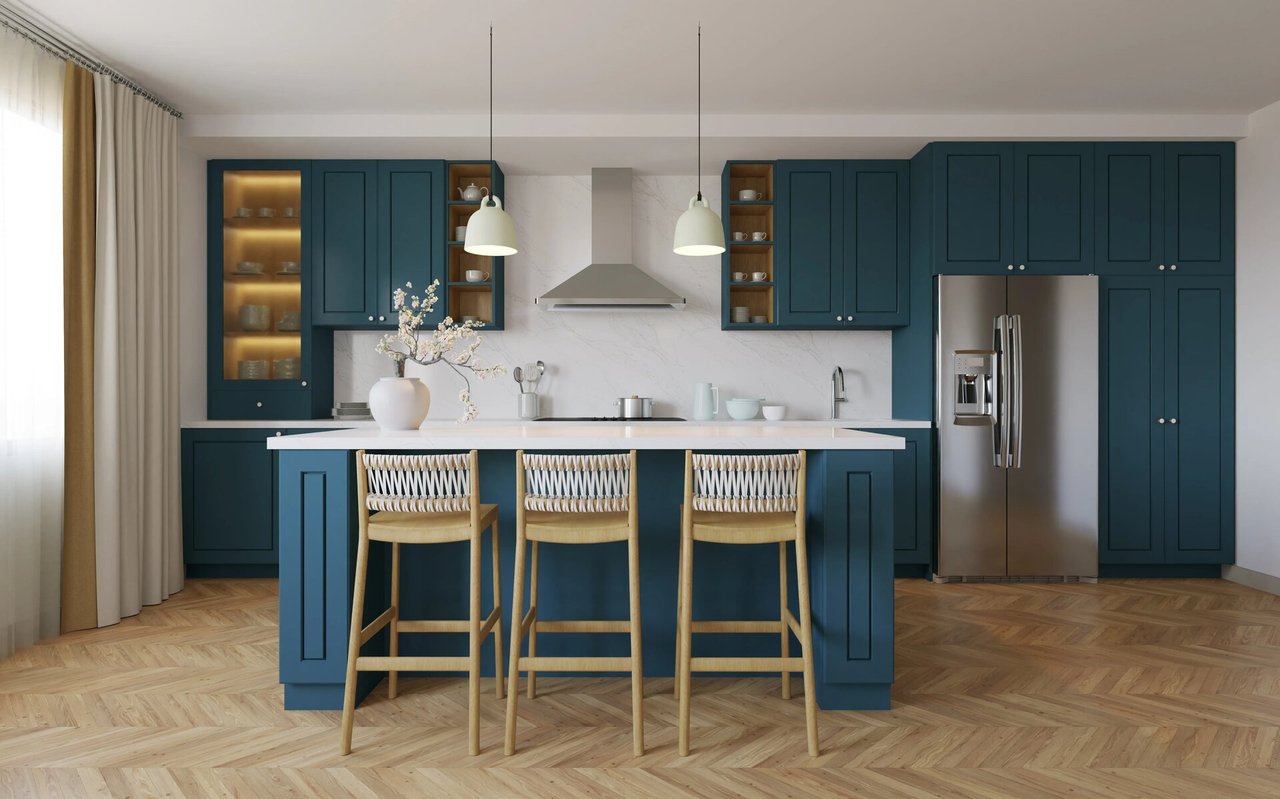
If you’ve ever been the first person awake in someone else’s house, you’ve probably wondered whether to start the coffee.
When you’re making a list of what to pack, the video doorbell probably isn’t the first thing that comes to mind.

The big day is almost here. You’ve already toured the home, worked through the inspection, and signed enough paperwork.

A renovated kitchen, finished basement, new roof, or upgraded heating system can add a lot to your home’s story.
Whether you’re preparing to sell a Greenwood Village home or searching for the one that finally checks every box, the first step is a conversation. We’ll listen to your goals and timeline, walk you through what to expect, and build a plan around you. From there, Erin and Lance stay hands-on through pricing, preparation, showings, and negotiation, backed by a transaction coordinator who keeps every deadline in view. The consultation is informational, confidential, and pressure-free, because the right fit matters more to us than a fast yes.
(720) 295-6065
[email protected]
ADDRESS
GREENWOOD VILLAGE, CO 80111