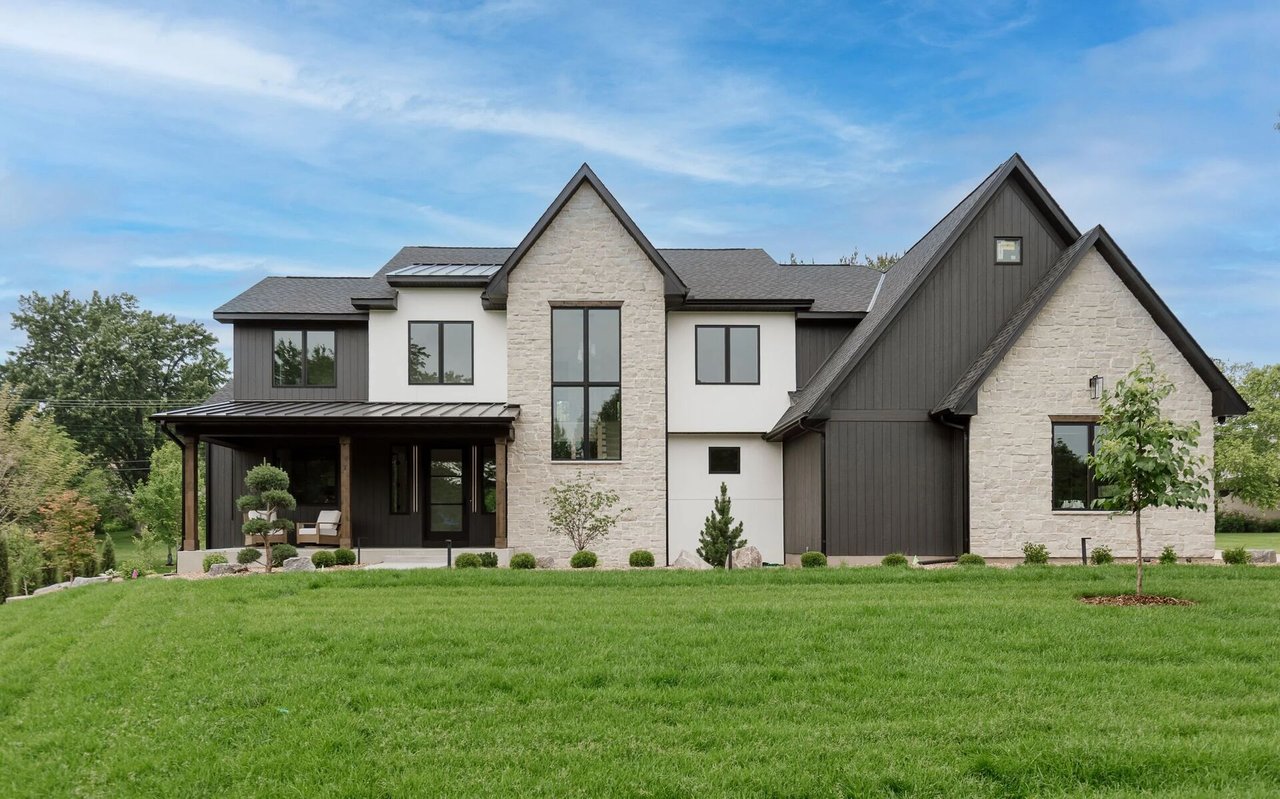
What Happens When You Overprice Your Home?
When listing your home, it's natural to want the absolute highest return on your investment.
It’s not uncommon for sellers operating in today's market to believe in a common strategy:"Let’s price it high just to see what happens. We can always come down later, and it leaves us room to negotiate."
And yes, while this logic does make sense, it actually works against you. Pricing a house too high triggers a chain reaction that costs time, visibility, and cold, hard cash. In an uneven market, overpricing from the outset rarely yields a higher sales price. Instead, it systematically reduces your net proceeds.
Here is the breakdown of what overpricing can cost a seller.
Today’s real estate buyers don’t browse aimlessly. They use online searches and set rigid search parameters based on price brackets. These brackets typically move in increments of $25,000 or $50,000 (e.g., $450,000 to $500,000).
If your home’s true market value is $490,000, but you list it at $515,000 "to leave room for negotiation," you drop off the radar of buyers looking under $500,000. These are the exact buyers who would see your home as a premium, top-tier option. Instead, your home is now competing against properties that are legitimately worth $525,000. Compared to them, your home may look smaller, less updated, or poorly located, causing buyers to pass it over entirely.
Does overpricing hurt a home sale? Yes, because it makes your listing invisible to its ideal audience from day one.
Real estate moves on momentum. The first 14 to 21 days a listing is live represent its peak visibility and highest emotional leverage. Buyers look for the "New Listing" tag, and we agents blast the home to our active client databases.
When a home sits past this golden window without receiving an offer, buyer psychology shifts.
Every week your home remains on the market changes how buyers perceive it. Fairly or unfairly, they begin to assume the property has a hidden defect. They wonder if there are structural issues, bad neighbors, or unpermitted work.
Even if you change the price to drop the listing back down to fair market value, the damage to buyer perception is already done. You are no longer a fresh, exciting opportunity; you are a stale listing that other buyers have rejected.
Sellers often focus entirely on the gross sales price while ignoring the compounding costs of time. Sitting on the market is not free. Every month your home remains unsold, you are paying out-of-pocket carrying costs that directly chip away at your final net profit.
Consider a typical scenario for a home sitting on the market for an extra three months:
All of this is a grand total of $3,400 per month. If it takes 90 days to realize the home is overpriced and finally secure a buyer, you've spent $10,200 just keeping the lights on.
This financial burden compounds dramatically if you've already relocated and have a second mortgage or paying rent on a new household simultaneously. The modest amount you hoped to "gain" by testing an inflated price is quickly swallowed up by these fixed, unrecoverable expenses.
A common home pricing mistake is assuming a price drop acts as a simple reset button. It doesn’t. Data consistently shows that homes undergoing price reductions frequently sell for less than if they had been priced accurately from day one.
When buyers see a price reduction on a stale listing, they don’t think, "Wow, what a great deal!" Instead, they think, "The seller is getting desperate."
This shifts all negotiating power from you to the buyer. Instead of receiving clean, full-price offers, you invite lowball bids. Buyers will ask for steeper repair concessions, flexible closing timelines that favor them, and closing cost credits. An initial overpricing strategy meant to protect your bottom line ultimately forces you into a weaker negotiating position.
Accurate pricing isn’t about leaving money on the table; its’s a strategy designed to protect your equity and control the transaction.
When you price your home correctly based on current market data, you achieve three critical advantages:
Your home is filled with memories, and it makes sense that you view its value through an emotional lens. However, the market responds to objective data, not aspirations.
As your real estate partner, my role is to build a comprehensive pricing case utilizing real, hyper-local market data, including recent comparable sales, active inventory levels, and current buyer demand patterns in your area. Together, we can isolate the pricing sweet spot that maximizes your visibility and protects your hard-earned equity.
Before you set a price, let's look at what pricing too high would actually cost you, and price it right from the start. Reach out today for a complimentary market analysis of your home.

As 2022 enters the final few months, you may be wondering about making your move now to sell a home.
Getting a quote early helps you understand what owning that particular home will cost. It also gives you time to ask.

If you’ve ever been the first person awake in someone else’s house, you’ve probably wondered whether to start the coffee.

When you’re making a list of what to pack, the video doorbell probably isn’t the first thing that comes to mind.

The big day is almost here. You’ve already toured the home, worked through the inspection, and signed enough paperwork.

A renovated kitchen, finished basement, new roof, or upgraded heating system can add a lot to your home’s story.
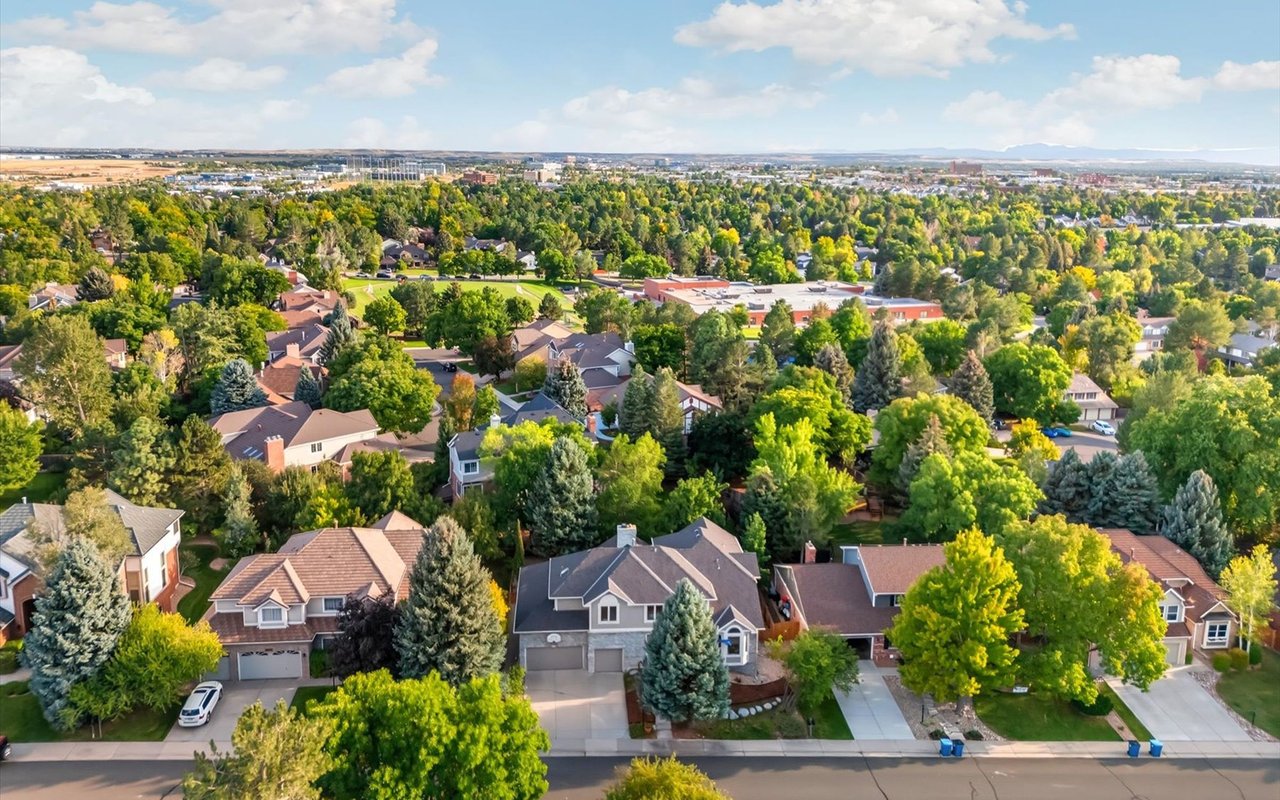
Whether you’re preparing to sell a Greenwood Village home or searching for the one that finally checks every box, the first step is a conversation. We’ll listen to your goals and timeline, walk you through what to expect, and build a plan around you. From there, Erin and Lance stay hands-on through pricing, preparation, showings, and negotiation, backed by a transaction coordinator who keeps every deadline in view. The consultation is informational, confidential, and pressure-free, because the right fit matters more to us than a fast yes.
(720) 295-6065
[email protected]
ADDRESS
GREENWOOD VILLAGE, CO 80111