
What You Need to Know About Closing Costs for Home Sellers
Selling a home is exciting, but it comes with expenses that can catch you off guard. Imagine this: you’re at the closing table, expecting to walk away with a solid profit, only to see thousands of dollars deducted from your proceeds. That’s the reality of closing costs, and if you don’t prepare for them, they can take a big bite out of your earnings.
In this post, we’ll break down the costs sellers typically pay, why they exist, and how to keep more of your money when selling your home.
Closing costs are the final expenses you pay to complete the sale of your home. They cover everything from real estate commissions to title transfers and legal fees. Typically, sellers pay 6% to 10% of the home’s sale price in closing costs.
Understanding these costs ahead of time can help you budget properly and avoid last-minute surprises.
1. Real Estate Agent Commissions
Real estate commissions remain a key expense for many sellers, but recent changes have made them more flexible and negotiable. Sellers are no longer required to cover the buyer’s agent commission, and all commission agreements must be clearly disclosed and agreed upon upfront.
Traditionally, commission rates ranged from 5% to 6% of the sale price. However, with the new rules, commission structures vary more widely and are subject to direct negotiation between sellers, buyers, and agents.
Sellers may still choose to pay the buyer’s agent commission, but it is no longer an industry standard.
Some buyers may now be responsible for paying their own agent’s commission.
Listing agents still charge a fee for marketing, negotiations, and transaction management, but the rate is now more customizable.
If you’re wondering whether an agent is worth the cost, consider their role in getting top dollar for your home. A great agent often makes up for their commission by negotiating a higher sale price.
2. Transfer Taxes and Recording Fees
Transfer taxes are state and local fees for legally transferring ownership of your home.
They vary but can range from 0.5% to 2% of the sale price.
In many states, the seller covers the cost, but buyers may take on part or all of it depending on the agreement.
3. Title Insurance (Owner’s Policy)
Title insurance protects buyers from ownership disputes or legal claims on the property. While buyers typically purchase their own policy, many sellers pay for an owner’s title policy as part of the deal.
No, but it’s often expected in a home sale.
4. Escrow and Closing Fees
Escrow services handle funds and documents to keep the transaction secure. These fees also cover the final paperwork involved in transferring ownership.
Hold funds in a secure account.
Make sure all terms of the contract are met before money changes hands.
Between $500 and $2,000, depending on your location and provider.
5. Prorated Property Taxes
Because property taxes are paid annually, you’ll need to pay your share up until the closing date.
The total property tax bill is split based on the number of days you owned the home that year.
6. Homeowners Association (HOA) Fees
If your home is in an HOA, expect extra fees at closing.
These fees vary widely depending on the HOA’s rules.
7. Attorney Fees (If Required)
In some states, you must hire a real estate attorney to review and finalize the sale.
Review contracts and closing documents.
Make sure everything is legally sound.
Even if not required, an attorney can help protect your interests in complex transactions.
Closing costs can take a sizable chunk out of your home sale profits, but the good news is that there are ways to cut back on these expenses. Whether through negotiation, strategic choices, or finding cost-effective service providers, you have options to keep more money in your pocket. Here are some practical ways to lower your closing costs as a seller.
1. Negotiate Agent Commissions
2. Ask the Buyer to Cover Some Costs
3. Shop Around for Service Providers
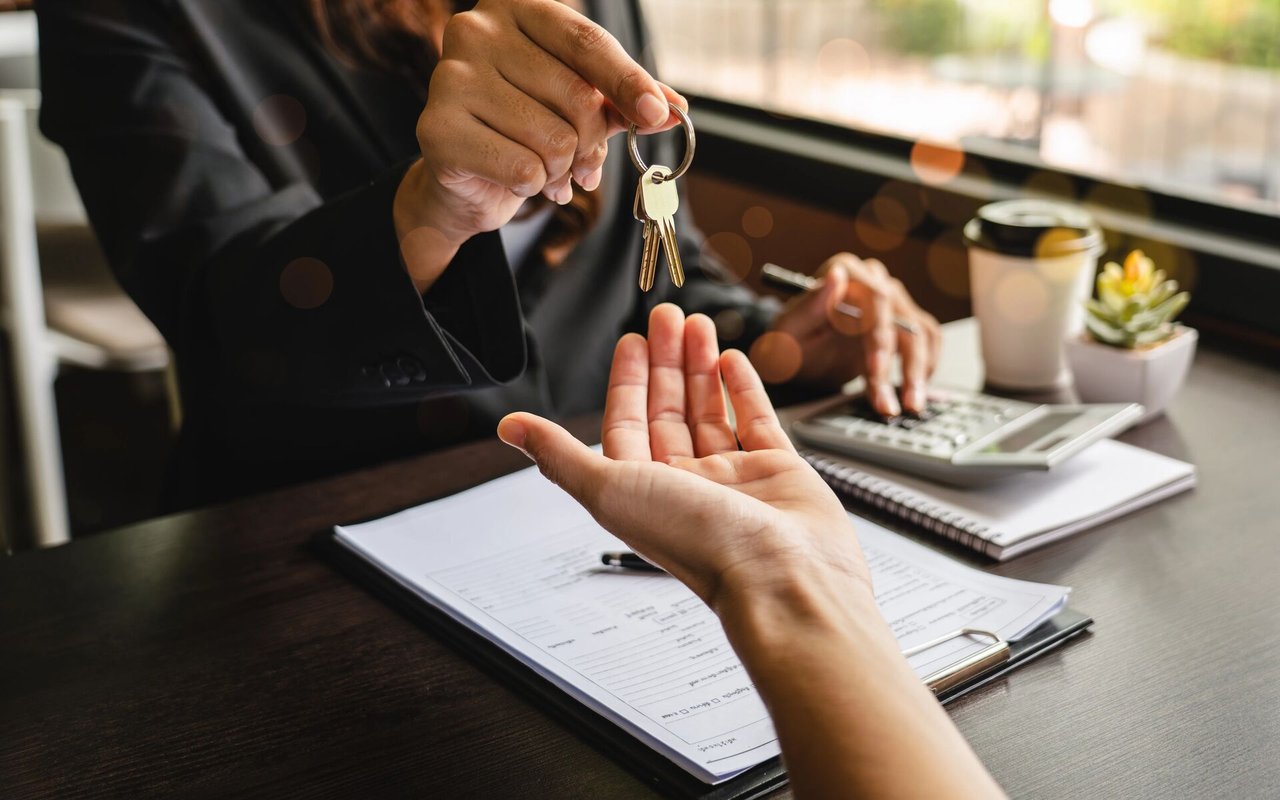
As you approach the finish line of your home sale, there are still a few final steps to take before closing day. Proper preparation can help avoid last-minute surprises and ensure everything goes smoothly. Here’s what you need to do before handing over the keys.
1. Review the Closing Disclosure Early
2. Finalize Repairs and Paperwork
Selling a home is more than just finding a buyer. Closing costs can add up, but by knowing what to expect and planning ahead, you can keep more of your profit.
What price would make you sell your home today? Tell me, and let's make it happen.

As 2022 enters the final few months, you may be wondering about making your move now to sell a home.

Getting a quote early helps you understand what owning that particular home will cost. It also gives you time to ask.

If you’ve ever been the first person awake in someone else’s house, you’ve probably wondered whether to start the coffee.

When you’re making a list of what to pack, the video doorbell probably isn’t the first thing that comes to mind.
The big day is almost here. You’ve already toured the home, worked through the inspection, and signed enough paperwork.

A renovated kitchen, finished basement, new roof, or upgraded heating system can add a lot to your home’s story.
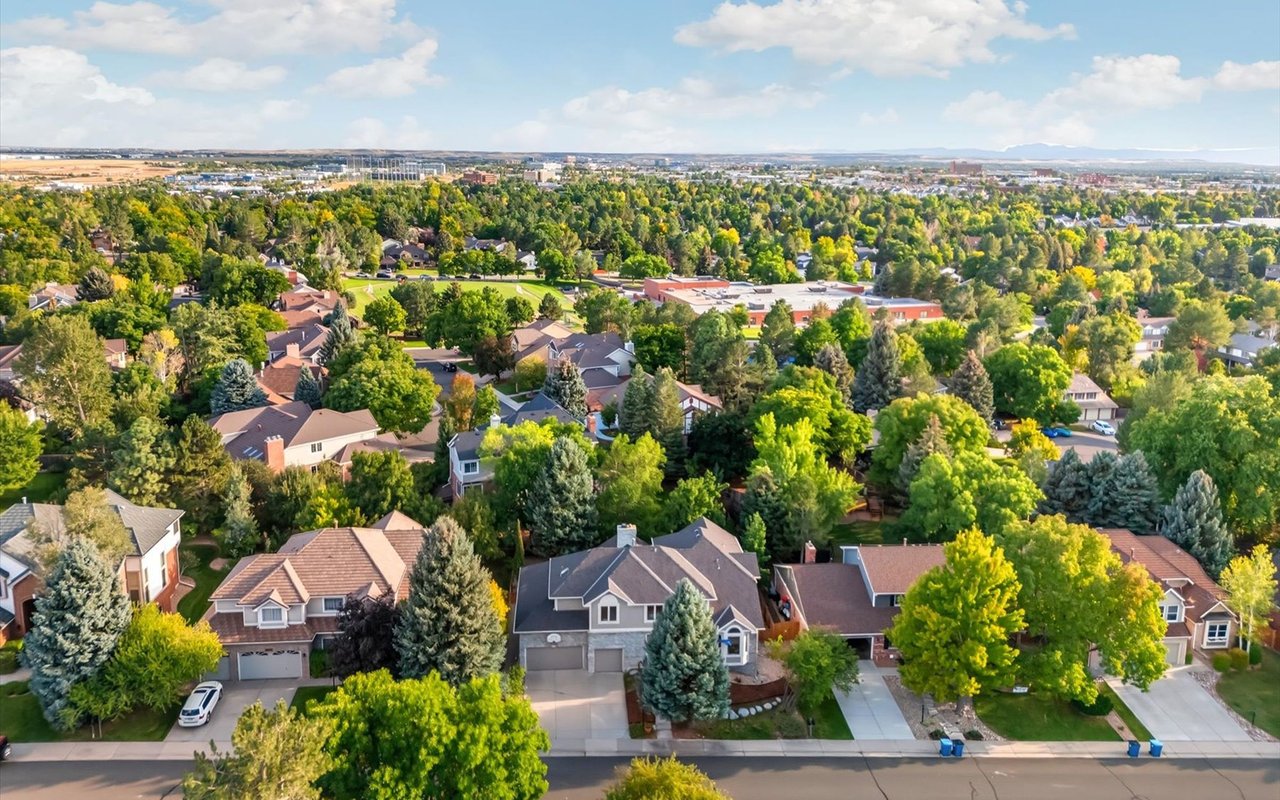
Whether you’re preparing to sell a Greenwood Village home or searching for the one that finally checks every box, the first step is a conversation. We’ll listen to your goals and timeline, walk you through what to expect, and build a plan around you. From there, Erin and Lance stay hands-on through pricing, preparation, showings, and negotiation, backed by a transaction coordinator who keeps every deadline in view. The consultation is informational, confidential, and pressure-free, because the right fit matters more to us than a fast yes.
(720) 295-6065
[email protected]
ADDRESS
GREENWOOD VILLAGE, CO 80111